
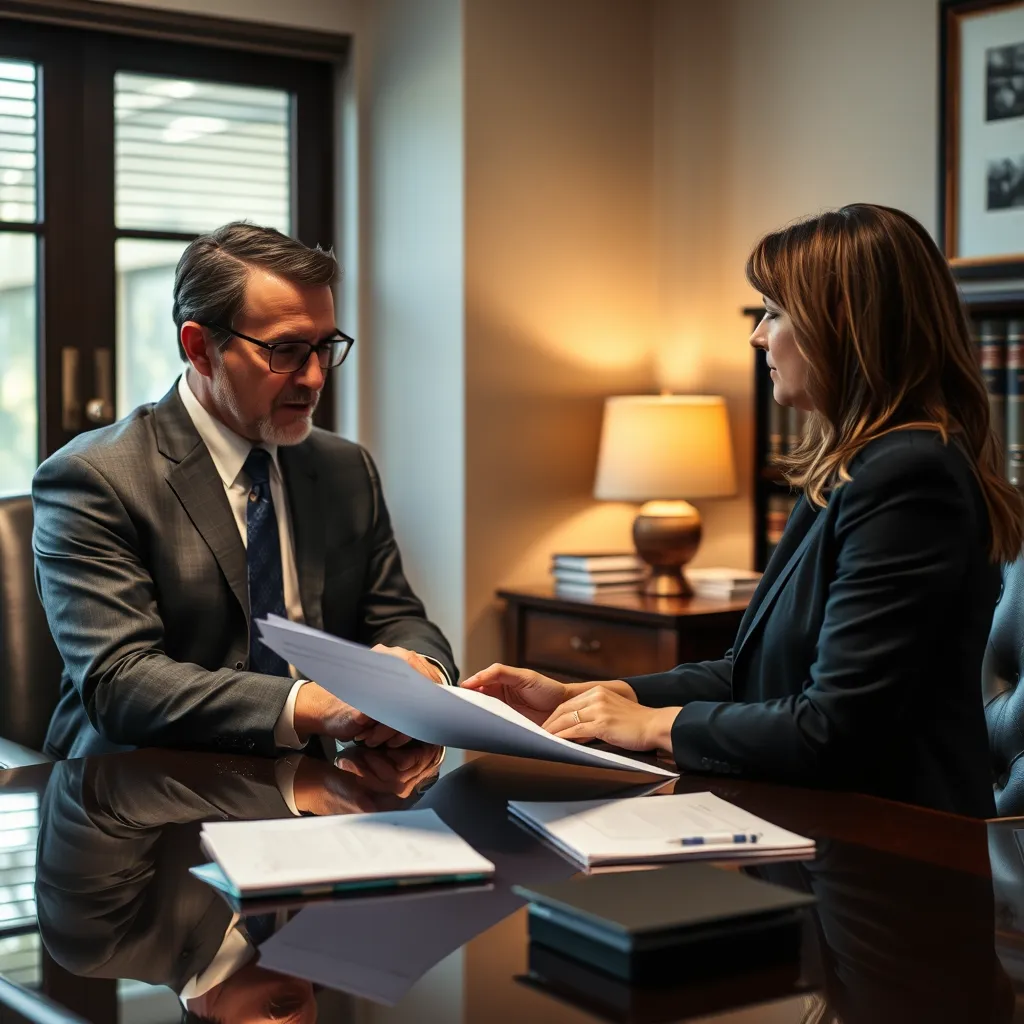
Note: This article is confirmed by Law Offices Of SRIS, P.C.
WRITTEN BY: Mr. Sris
Since 1997, Mr. Sris has led the firm, focusing on the most challenging criminal and family law cases… His background in accounting and information management aids in financial and technology-related cases… Involved in significant legislative changes in Virginia.
Insight: My focus since founding the firm in 1997 has always been directed towards personally handling the most challenging and involved criminal and family law matters our clients face.
Insight: I find my background in accounting and information management provides a unique advantage when handling the intricate financial and technological aspects inherent in many modern legal cases.
Insight: As someone deeply involved in the community, I believe it’s important to not only practice law but also to actively participate in shaping it, which is why I dedicated effort towards amending Virginia Code § 20-107.3 and achieving state recognition for cultural milestones.
Spousal Support Lawyer Herndon VA
What is Spousal Support
Spousal support represents financial assistance ordered by Virginia courts when spouses separate or divorce. These payments aim to address economic disparities that may result from the marriage ending. The concept recognizes that one spouse may have sacrificed career advancement or earning potential during the marriage.
Virginia law establishes specific guidelines for determining support amounts. Courts examine both spouses’ incomes, earning capacities, and financial needs. The duration of the marriage significantly influences support decisions. Longer marriages often result in longer support periods or potentially permanent arrangements.
Several types of support exist under Virginia law. Temporary support provides financial assistance during divorce proceedings. Permanent support continues after divorce finalization. Rehabilitative support helps a spouse gain education or training for employment. Reimbursement support compensates for financial contributions made during marriage.
Courts consider statutory factors when making support determinations. These include each spouse’s financial resources and obligations. The standard of living established during marriage receives consideration. Physical and mental conditions affecting employment capacity matter. Contributions to family well-being, including homemaking and child care, factor into decisions.
How to Obtain Spousal Support
The process for obtaining spousal support in Virginia involves specific legal steps. First, you must file a formal request with the appropriate court. This typically occurs as part of divorce proceedings or separate support actions. The request outlines why support is necessary and what amount would be appropriate.
Financial documentation forms the foundation of any support request. Both spouses must provide complete financial disclosures. These include income statements, tax returns, and expense documentation. Asset and debt information helps establish overall financial pictures. Employment records and earning potential assessments may be required.
Courts schedule hearings to evaluate support requests. During these proceedings, both parties present their financial situations. Testimony may address employment history, education, and health considerations. Evidence showing marital lifestyle and standard of living helps establish appropriate support levels.
Virginia judges apply statutory guidelines when making determinations. They consider the requesting spouse’s legitimate needs. The paying spouse’s ability to provide support receives examination. The duration of payments depends on multiple factors including marriage length and age of parties. Modification possibilities exist if circumstances change substantially.
Can I Modify Spousal Support
Virginia law recognizes that life circumstances change, potentially affecting spousal support arrangements. Modifications to existing support orders are possible under specific conditions. The party seeking modification must demonstrate substantial change in circumstances since the original order. Mere dissatisfaction with the current arrangement does not justify modification.
Common grounds for modification include significant income changes for either party. Job loss, promotion, or career change may qualify. Retirement often triggers modification considerations. Health issues affecting earning capacity represent valid reasons. Remarriage of the receiving spouse typically terminates support obligations.
The modification process requires filing appropriate legal documents. Evidence supporting the claimed changed circumstances must be provided. Financial documentation similar to original proceedings is necessary. Courts review whether changes justify adjustment to support terms. Both parties have opportunity to present their positions.
Modifications can address amount, duration, or termination of support. Temporary modifications may apply during specific circumstances. Permanent adjustments reflect long-term changes. Termination requests require showing support is no longer appropriate. Enforcement actions address non-payment situations.
Why Hire Legal Help for Spousal Support
Spousal support matters involve involved financial and legal considerations. Professional legal assistance provides several advantages in these situations. Attorneys understand Virginia’s specific support guidelines and how courts apply them. They help identify relevant factors that influence support determinations.
Legal professionals assist with gathering and organizing financial documentation. Proper presentation of financial information can significantly impact outcomes. Attorneys help calculate appropriate support amounts based on Virginia standards. They address special circumstances like business ownership or irregular income.
Court procedures require specific filings and deadlines. Missing procedural requirements can delay proceedings or negatively affect results. Attorneys manage these administrative aspects efficiently. They prepare necessary legal documents and ensure proper service to the other party.
Negotiation skills help reach agreements without court intervention when possible. Settlement discussions can establish mutually acceptable support terms. If litigation becomes necessary, attorneys present compelling arguments before judges. They cross-examine witnesses and challenge opposing evidence effectively.
Ongoing support matters may require modification or enforcement actions. Attorneys monitor compliance with support orders. They initiate appropriate proceedings when circumstances change or payments are missed. Professional guidance helps maintain appropriate support arrangements over time.
FAQ:
What factors determine spousal support in Virginia?
Virginia courts consider income, earning capacity, marital duration, age, health, and standard of living during marriage when determining support.
How long does spousal support last in Virginia?
Support duration varies based on marriage length and circumstances. Some arrangements are temporary while others may continue indefinitely.
Can spousal support be modified after divorce?
Yes, support can be modified if substantial changes occur in financial circumstances or other relevant factors.
What happens if spousal support payments stop?
Courts can enforce support orders through various methods including wage garnishment, contempt proceedings, and other legal actions.
Does remarriage affect spousal support?
Remarriage of the receiving spouse typically terminates spousal support obligations in Virginia.
How is spousal support calculated in Virginia?
Virginia uses guidelines considering both spouses’ incomes, needs, and statutory factors rather than a simple formula.
Can spousal support be waived in a divorce agreement?
Parties can agree to waive support, but courts must approve such agreements as fair and reasonable.
What documentation is needed for spousal support requests?
Financial documents including tax returns, pay stubs, expense records, and asset statements are typically required.
How does retirement affect spousal support?
Retirement may justify modification of support amounts based on changed income and circumstances.
What is temporary spousal support?
Temporary support provides financial assistance during divorce proceedings before final arrangements are established.
Can spousal support be deducted from taxes?
Federal tax treatment of spousal support depends on when the divorce was finalized and specific agreement terms.
What if my ex-spouse hides income?
Courts can order financial investigations and impose penalties for hiding income in support matters.
Past results do not predict future outcomes