
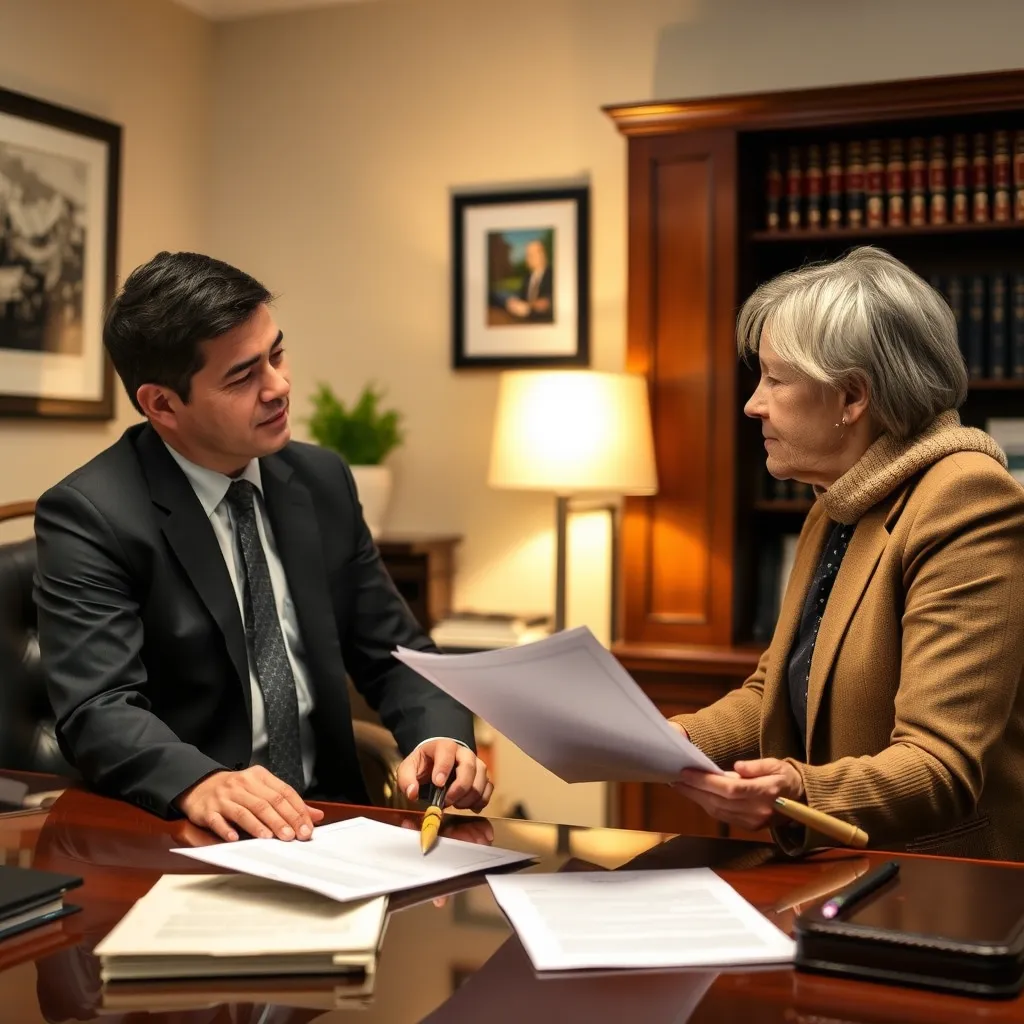
Separation Agreement Lawyer Falls Church, VA
When a marriage reaches a turning point, couples in Falls Church, Virginia often turn to a separation agreement to define their rights and responsibilities while they decide the next step. A separation agreement—sometimes called a marital settlement agreement—is a written contract between spouses that resolves issues such as asset division, spousal support, child custody, and child support outside of court. For residents of Falls Church and the surrounding Northern Virginia area, having an experienced family law attorney draft or review this document can make the difference between a clear, enforceable agreement and one that causes future disputes. Mr. Sris, Owner and Founder of Law Offices Of SRIS, P.C., and his Of Counsel team concentrate their practice on family law matters, including the preparation of separation agreements that comply with Virginia law. Reach our Fairfax location at (888) 437-7747 to schedule a consultation. Law Offices Of SRIS, P.C. – Advocacy Without Borders.
What a Separation Agreement Means in Falls Church, Virginia
Falls Church sits within Virginia’s Seventeenth Judicial District, and family law matters here are handled by two courts: the Falls Church Circuit Court for divorce and equitable distribution, and the Falls Church Juvenile and Domestic Relations District Court for standalone custody, support, and protective orders. A separation agreement is often the cornerstone of an uncontested divorce in Virginia. Under Va. Code § 20‑91(9)(b), if the spouses have no minor children and have signed a written separation agreement, they may proceed with a no‑fault divorce after a six‑month separation period. For couples with minor children, the separation period is one year, but a well‑drafted agreement can still streamline the divorce process, resolving all contested issues before a complaint is filed.
Virginia is an equitable distribution state—not a community property state—meaning the Falls Church Circuit Court divides marital property fairly but not necessarily equally. A separation agreement allows spouses to negotiate their own property division, spousal support terms, and parenting plan rather than leaving those decisions to a judge. The agreement must be in writing, signed by both parties, and typically notarized. It may address the marital residence in Falls Church, retirement accounts, debts, and even which party keeps the family pet. Once incorporated into a final decree of divorce, the agreement’s terms become a court order enforceable by the contempt power of the Falls Church courts. Mr. Sris and his Of Counsel understand the local court practices and ensure every separation agreement drafted for a Falls Church client conforms to the requirements of Va. Code § 20‑109 and related provisions.
How Mr. Sris and His Of Counsel Handle Separation Agreement Cases
Mr. Sris and his Of Counsel approach each separation agreement matter as a collaborative effort aimed at producing a durable, enforceable contract. The process begins with a detailed consultation in which the attorney gathers information about the couple’s assets, debts, income, and family circumstances. If both spouses are willing to negotiate, the agreement can be crafted through direct discussions, correspondence between the attorneys, or mediation. Mr. Sris’s background as a former prosecutor informs his ability to anticipate potential points of dispute and draft language that minimizes ambiguity.
Once the terms are settled, the agreement is reduced to a written document that addresses property classification under Va. Code § 20‑107.3, spousal support factors under Va. Code § 20‑107.1, and, if children are involved, custody and visitation pursuant to Va. Code § 20‑124.2 and support under Va. Code § 20‑108.1. The final agreement is reviewed with the client to ensure they understand every provision before signing. If the agreement is later challenged, Mr. Sris and his Of Counsel are prepared to appear in the Falls Church Circuit Court or Juvenile and Domestic Relations District Court to enforce or defend it. Throughout the process, they focus on achieving a resolution that avoids protracted litigation while protecting the client’s rights. Results may vary.
About Mr. Sris and His Of Counsel Team
Mr. Sris, Owner and Founder of Law Offices Of SRIS, P.C., has been practicing since 1997. He is admitted in Virginia, Maryland, the District of Columbia, New Jersey, and New York, and he focuses his practice on family law, including divorce, separation agreements, and equitable distribution. Mr. Sris testified before the Virginia House Courts of Justice Committee in support of 2019 HB 635 (chief patron Del. David Bulova). His deep familiarity with Virginia’s domestic relations statutes allows him to construct separation agreements that anticipate the issues a Falls Church judge would examine.
Mr. Sris is joined by a team of Of Counsel attorneys who bring their own strengths to family law matters. Every Of Counsel lawyer is an experienced litigator who is well-versed in Virginia procedure. Together with Mr. Sris, they provide comprehensive representation to clients in Falls Church and throughout Northern Virginia. The firm’s attorneys have appeared in the Falls Church Circuit Court and Falls Church Juvenile and Domestic Relations District Court, and they understand the local procedural expectations. To discuss your separation agreement, reach the firm at (888) 437-7747.
Frequently Asked Questions
What is a separation agreement in Virginia?
A separation agreement is a written contract between spouses that settles all issues arising from their separation, including property division, spousal support, and, if applicable, child custody and support. Under Va. Code § 20‑109, a separation agreement may be incorporated into a divorce decree and become enforceable as a court order. In Falls Church, these agreements are frequently used in uncontested divorces to satisfy the statutory separation requirement and avoid trial.
Do I need a lawyer to draft a separation agreement in Falls Church?
Virginia law does not require a lawyer to write a separation agreement, but legal guidance is strongly recommended because the agreement’s enforceability depends on compliance with Virginia statutory and common-law requirements. An experienced family law attorney can ensure the agreement properly classifies separate versus marital property under Va. Code § 20‑107.3, addresses all necessary financial disclosures, and contains no provisions that a Falls Church Circuit Court judge might later refuse to enforce.
Can a separation agreement be modified later?
A separation agreement may be modified if both spouses agree in writing, or a court may modify child‑related provisions on a showing of changed circumstances that are in the child’s best interests. Spousal support terms may be modifiable or non‑modifiable depending on the language of the agreement. An attorney can advise on how to structure provisions that preserve needed flexibility while still providing clarity for both parties in Falls Church.
How does a separation agreement affect a divorce in Virginia?
For a no‑fault divorce based on six months’ separation with no minor children, a signed separation agreement is a statutory prerequisite under Va. Code § 20‑91(9)(b). For couples with minor children, the agreement demonstrates that the parties have resolved all ancillary matters, allowing the divorce to proceed on an uncontested basis after the one‑year separation period. Once ratified by the Falls Church Circuit Court, the agreement’s terms become part of the final divorce decree.
What if my spouse refuses to sign or breaches the agreement?
If one spouse refuses to negotiate or sign, the agreement cannot be finalized, and the matter may proceed to contested divorce proceedings in the Falls Church Circuit Court. If a fully executed separation agreement is later breached, the injured party may seek enforcement through the court’s contempt powers or by filing a breach‑of‑contract action. An attorney can advise on the most appropriate remedy based on the nature of the violation and the specific language of the agreement.
For guidance on your specific situation, reach Law Offices Of SRIS, P.C. at (888) 437-7747.
Additional Family Law Resources in Northern Virginia
Explore other family law services available to clients from our Fairfax location:
- Family Law Attorney Fairfax County
- Family Law Attorney Prince William County
- Family Law Attorney Manassas
Primary legal sources for Virginia domestic relations:
Attorney advertising. Prior results do not guarantee a similar outcome. Results may vary.
Case results depend on a variety of factors unique to each case.