
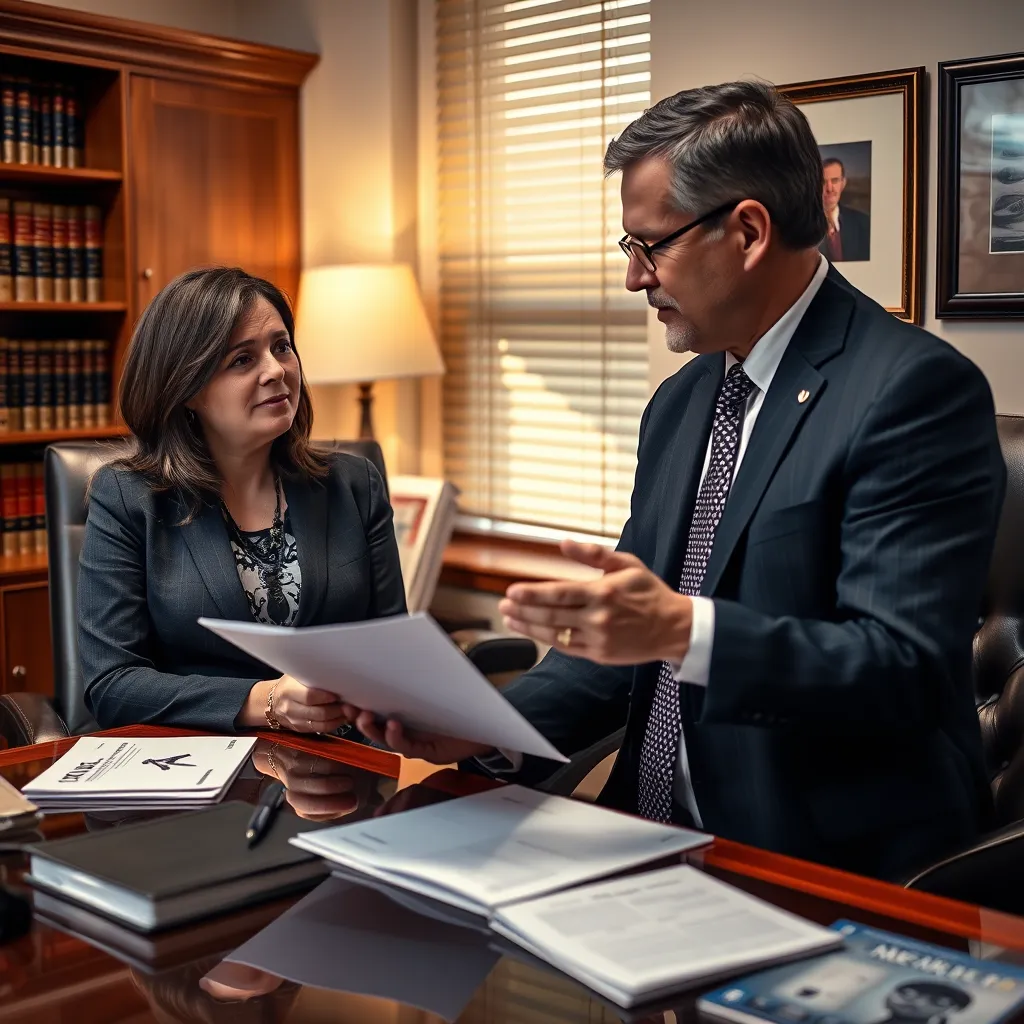
Relative Adoption Lawyer Fairfax, VA
Relative adoption allows a grandparent, aunt, uncle, adult sibling, or other close family member to formalize a permanent legal relationship with a child who is already part of their life. For families in Fairfax, Burke, Centreville, Herndon, Reston, McLean, and throughout Fairfax County, Virginia, relative adoption can provide stability, inheritance rights, and legal clarity without the lengthy home-study requirements that non‑relative adoptions often involve. The process unfolds in the Fairfax County Juvenile and Domestic Relations District Court and the Fairfax County Circuit Court, and Virginia law under Va. Code § 63.2‑1200 et seq. Gives the court authority to consider a range of factors—always focused on the child’s best interests. Mr. Sris and the firm’s Of Counsel attorneys represent petitioners in relative adoption matters, from the initial consultation through the final decree of adoption. To discuss your family’s situation, reach Law Offices Of SRIS, P.C. at (888) 437‑7747. Law Offices Of SRIS, P.C. – Advocacy Without Borders.
What Relative Adoption Means in Fairfax, VA
A relative adoption in Virginia is a permanent legal proceeding in which a child’s biological relationship to the petitioner is already established. The code defines specific family connections that qualify for streamlined adoption procedures, often reducing the pre‑placement and post‑placement supervision requirements that apply to private agency or independent adoptions. In Fairfax County, the Juvenile and Domestic Relations District Court typically handles the initial filing and the investigation conducted by the local department of social services, while the Circuit Court enters the final adoption order. Because the petitioner already has a demonstrated family bond, the court’s inquiry concentrates on that existing relationship, the child’s needs, and any necessary consents or terminations of parental rights.
Practically speaking, a relative adoption in Fairfax County often involves a grandparent stepping in when a parent is unable to care for the child, or a sibling seeking to formalize a guardianship that has been in place for years. The procedure requires both a detailed petition and the cooperation of any living parent whose rights have not been terminated; if a parent’s consent is unavailable or withheld, the court may need to address grounds for termination under the applicable statute. The Fairfax County courts are part of the Nineteenth Judicial District, and Mr. Sris and the firm’s Of Counsel attorneys are familiar with the local practices in these courts, including how the Department of Family Services conducts home visits and background checks. Whether you live in Vienna, Tysons, Springfield or Annandale, having counsel who understands the procedural steps in the Fairfax County J&DR Court and Circuit Court can help the case proceed smoothly.
How Mr. Sris and His Of Counsel Handle Relative Adoption Cases
For a relative adoption, the firm begins with a thorough review of the family circumstances—identifying which relative petitions, the child’s residency and background, and the status of each birth parent. Mr. Sris and the firm’s Of Counsel attorneys determine what consents are required and whether any grounds for dispensing with consent exist. They prepare and file the petition for adoption in the appropriate Fairfax County court, coordinate with the Department of Family Services investigation, and guide the petitioner through the home-study process, which is usually abbreviated for qualifying relatives. The firm also handles any contested aspects—if a parent challenges the adoption or refuses to consent—by presenting evidence and legal argument to the court under Virginia’s statutory framework.
Because the firm has been practicing family law since 1997, the attorneys are experienced in the procedural and evidentiary requirements of the Fairfax County courts. They understand the local judicial expectations for relative adoptions and work to ensure that the record is complete and the petitioner’s testimony is properly presented at the final hearing. Every case is approached individually; Mr. Sris and the firm’s Of Counsel attorneys aim to resolve the matter efficiently while safeguarding the child’s stability and the legal rights of the adopting relative.
About Mr. Sris and His Of Counsel Team
Mr. Sris, Owner and Founder of Law Offices Of SRIS, P.C., has been practicing law since 1997 and is admitted in Virginia, Maryland, the District of Columbia, New Jersey, and New York. A former prosecutor, he founded the firm with a focus on family law and criminal defense and has built a multi‑state practice that handles a wide range of matters, including adoptions in Fairfax County. Mr. Sris testified before the Virginia House Courts of Justice Committee in support of 2019 HB 635 (chief patron Del. David Bulova).
The firm’s Of Counsel attorneys each bring extensive experience in family law and related practice areas. Together with Mr. Sris, they appear regularly in the Fairfax County Juvenile and Domestic Relations District Court and the Fairfax County Circuit Court. When you contact the firm, you work with an attorney familiar with Virginia adoption law and the local court procedures. To schedule a consultation, call (888) 437‑7747.
Frequently Asked Questions
What is a relative adoption in Virginia?
A relative adoption is a legal proceeding where a child’s grandparent, aunt, uncle, adult sibling, or other qualifying family member petitions the court to become the child’s permanent legal parent. The process is governed by Va. Code § 63.2‑1200 et seq. And, because the child is already related to the petitioner, the statutes allow streamlined requirements compared to private or agency adoptions. The court’s primary concern remains the child’s best interests, and the proceeding results in a final order that severs the legal relationship with the birth parents and transfers all parental rights and responsibilities to the adopting relative.
Who can file for a relative adoption in Fairfax County?
A grandparent, aunt, uncle, adult sibling, or a close family member within the degrees of relationship specified by Virginia statute may file a petition for relative adoption in Fairfax County. The exact family connections that qualify are defined in the Virginia Code; typically, the petitioner must demonstrate a biological or adoptive familial tie. The Fairfax County Juvenile and Domestic Relations District Court reviews the petition, and the Department of Family Services conducts a brief investigation to confirm the relationship and the suitability of the home. Mr. Sris and the firm’s Of Counsel attorneys can assess your specific family situation and determine eligibility under the current law.
How does the relative adoption process work in Fairfax courts?
The process begins with filing a petition for adoption in the Fairfax County Juvenile and Domestic Relations District Court, followed by an investigation by the local Department of Family Services, and concludes with a final hearing in the Fairfax County Circuit Court. The petitioner must obtain consent from any living birth parent whose rights have not been terminated, unless the court finds that consent is unnecessary. The court will consider the child’s best interests, the existing relationship between the child and the petitioner, and any relevant background information. An experienced attorney can guide you through the paperwork, coordinate with the social services investigation, and represent you at the final hearing.
Do I need a lawyer for a relative adoption in Virginia?
While Virginia law does not require a lawyer for a private adoption, working with an attorney can help ensure the petition is correctly prepared and all legal requirements are met, particularly when the adoption is contested or involves complex family dynamics. In Fairfax County, the courts expect precise documentation, and mistakes can cause delays. Mr. Sris and the firm’s Of Counsel attorneys handle every step, from determining what consents are needed to preparing the final decree. If a parent refuses to consent or disputes the adoption, legal representation is essential to protect the child’s interests and the petitioner’s rights.
What are the advantages of a relative adoption compared to other adoption types?
Relative adoptions generally involve fewer procedural hurdles than private or agency adoptions because the child already has an established relationship with the petitioner, and the statutes allow the court to waive certain pre‑placement requirements. The home study is often abbreviated, and the investigation by the Department of Family Services focuses on confirming the family connection and the suitability of the home rather than evaluating a stranger’s background. This can reduce both time and expense. For the child, legal permanency with a known family member provides emotional security and inheritance protections.
Can a relative adoption be contested in Virginia?
Yes, a birth parent or another interested party can contest a relative adoption by asserting that consent was not given or that the adoption is not in the child’s best interests. The court will then hear evidence and consider the statutory factors. If a parent refuses to consent, the petitioner may ask the court to find that consent is unnecessary—for example, if the parent has abandoned the child or cannot be located. Mr. Sris and the firm’s Of Counsel attorneys are experienced in contested adoption cases and can present the necessary evidence to the Fairfax County court.
For additional information about family law matters in Fairfax County, see our pages on family law in Fairfax County, family law in Falls Church, and family law in Prince William County.
The Virginia Code provisions governing relative adoptions are found at Virginia Code Title 63.2, Chapter 12. General court information for the Fairfax County Juvenile and Domestic Relations District Court and the Fairfax County Circuit Court is available through Virginia’s Judicial System website.
Attorney advertising. Prior results do not guarantee a similar outcome.
Case results depend on a variety of factors unique to each case.