
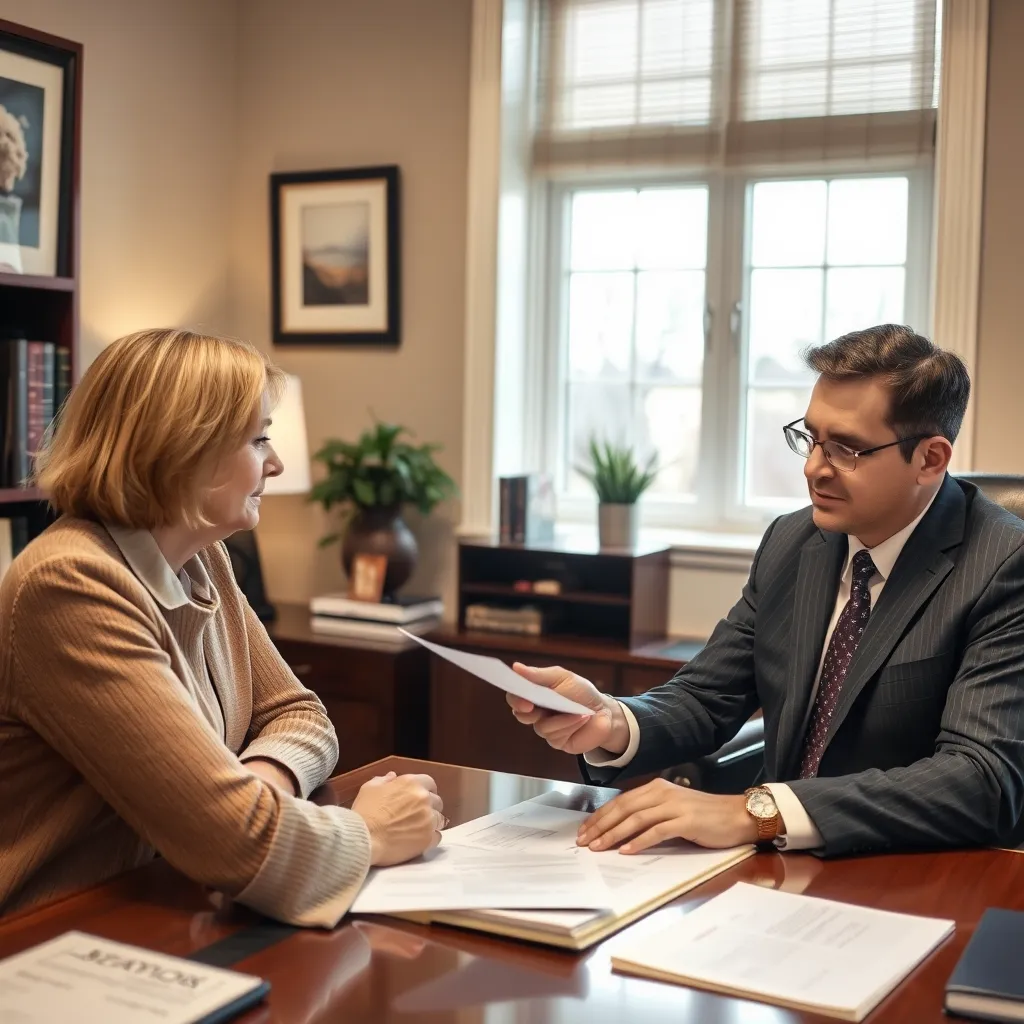
Private Adoption Lawyer Falls Church, VA
You have made the decision to grow your family through private adoption. You may have already been in contact with an expectant mother, or you are working with an adoption agency to find a birth parent. The hope and anticipation are real—but so are the legal steps you must take to finalize the adoption in Virginia. The lawyers at Law Offices Of SRIS, P.C. help families in Falls Church navigate private adoption proceedings before the local courts. Mr. Sris and the firm’s Of Counsel attorneys work to handle the legal requirements so you can focus on welcoming a child into your home. To discuss your adoption with an experienced attorney, reach our firm at (888) 437-7747. Law Offices Of SRIS, P.C. – Advocacy Without Borders.
Strategy Options for Private Adoption in Falls Church
Private adoption in Virginia follows a path shaped by the relationship between the adoptive parents and the birth parents. Whether you are working with a known birth mother or pursuing an independent adoption, Mr. Sris and the firm’s Of Counsel attorneys tailor the legal strategy to your situation. In some cases, the birth parents consent to the adoption voluntarily and the main legal work involves filing the necessary petitions, completing a home study, and securing a final order from the Falls Church Circuit Court. In other cases, the birth father’s rights or other family members’ interests may require additional steps. Our attorneys handle each matter individually, working to build a record that supports the adoption under Virginia law.
What to Expect During a Virginia Private Adoption
The private adoption process in Virginia generally involves several stages. First, the birth parents must give consent, which becomes irrevocable after a set period once the child is placed. A home study conducted by a licensed agency or social worker is required unless waived in limited circumstances. The adoptive parents then file a petition with the Circuit Court in the jurisdiction where they reside or where the child was born. In Falls Church, the Falls Church Circuit Court at 300 Park Avenue, Suite 151W hears adoption matters. A final hearing is scheduled where the court determines whether the adoption is in the child’s best interests. The firm’s attorneys appear with you at the hearing and present the required evidence to the court.
Legal Framework for Private Adoption in Virginia
Virginia’s adoption statutes, found at Va. Code § 63.2-1200 et seq., govern the private adoption process. The law addresses consent requirements, home study standards, and the procedural steps for finalizing an adoption. Virginia courts apply a best-interest-of-the-child standard, and the judge reviews the adoptive parents’ background, financial stability, and readiness to parent. The firm’s attorneys are familiar with the local practices in the Falls Church Circuit Court and the Seventeenth Judicial District. Mr. Sris and the firm’s Of Counsel attorneys can explain how the statutes apply to your circumstances and guide you through each phase of the case.
About Mr. Sris and the Firm’s Of Counsel Attorneys
Mr. Sris, Owner and Founder of Law Offices Of SRIS, P.C., is a former prosecutor who has practiced law since 1997. He is admitted in Virginia, Maryland, the District of Columbia, New Jersey, and New York. His background includes family law matters such as adoption, custody, and divorce. The firm’s Of Counsel attorneys bring extensive experience in Virginia courts, including the Falls Church Circuit Court and the Juvenile and Domestic Relations District Court. Together, Mr. Sris and the firm’s Of Counsel attorneys have documented experience handling family law cases. Results may vary.
Frequently Asked Questions
What is private adoption in Virginia?
Private adoption is a legal process where a child is placed with adoptive parents directly by the birth parents, often with the assistance of an attorney rather than a public agency. In Virginia, private adoptions are governed by Va. Code § 63.2-1200 et seq. The birth parents must give consent, and the adoptive parents must complete a home study and petition the Circuit Court for a final order. Our firm helps families in Falls Church complete these steps.
Do I need a lawyer for a private adoption in Falls Church?
While Virginia law does not require you to hire a lawyer for an adoption, having an experienced family law attorney helps ensure that the legal requirements are met and that your parental rights are fully protected. The adoption petition, consent documents, and final hearing all involve procedural and evidentiary rules. Mr. Sris and the firm’s Of Counsel attorneys handle these details so you can focus on your growing family. Reach our firm at (888) 437-7747 to schedule a consultation.
How does the consent process work for birth parents in Virginia?
Birth parents in Virginia must give a written, notarized consent to the adoption after the child is at least 72 hours old, and the consent becomes irrevocable after a set statutory period. The birth father’s consent may also be required, and if the father’s identity or location is unknown, additional legal steps such as a diligent search or publication may be necessary. Our attorneys handle these matters to ensure the consent is valid and that the adoption can proceed without future challenges.
What is a home study and when is it required?
A home study is an assessment of the prospective adoptive parents’ home environment, background, and suitability to parent, and it is generally required for private adoptions in Virginia. A licensed child-placing agency or a social worker conducts the study and submits a report to the court. In certain stepparent or relative adoptions, the court may waive the home study requirement. Our firm works with licensed professionals to facilitate this step.
How long does a private adoption take in Falls Church?
The timeline for a private adoption varies based on the specifics of the case, including the birth parents’ cooperation, the home study schedule, and the court’s calendar. Uncontested cases may move more quickly, while matters requiring a hearing on consent or parental rights can extend the process. Mr. Sris and the firm’s Of Counsel attorneys work to move your case forward as efficiently as possible while ensuring all legal requirements are met. For a more specific timeline based on your situation, contact our firm at (888) 437-7747.
Can birth parents change their mind after placement?
Birth parents in Virginia may revoke their consent to adoption within a specific number of days after signing, as provided by statute. After the revocation period expires, the consent generally becomes irrevocable. However, a court may set aside a consent on grounds such as fraud or duress. Our attorneys explain these rules early in the process so that all parties understand their rights and obligations.
What is the difference between a private adoption and an agency adoption?
In a private adoption, the birth parents place the child directly with the adoptive family, often through an attorney, while an agency adoption involves a licensed child-placing agency that facilitates the match and placement. Private adoptions can offer more direct involvement for adoptive parents but require careful attention to the legal requirements to ensure a valid adoption. Our firm represents families in private adoption matters throughout northern Virginia.
How does the firm handle adoption cases in Falls Church courts?
Mr. Sris and the firm’s Of Counsel attorneys prepare and file the adoption petition, obtain necessary consents, coordinate the home study, and represent the adoptive parents at the final court hearing. We appear before the Falls Church Circuit Court and are familiar with the practices and expectations of the judges in the Seventeenth Judicial District. Our goal is to make the legal process as smooth as possible for your family.
For a comprehensive statutory breakdown of Virginia adoption law, see our detailed analysis at srislawyer.com.
Law Offices Of SRIS, P.C. — Fairfax Location
By appointment only. Call (888) 437-7747 to schedule.
Attorney advertising. Prior results do not guarantee a similar outcome. Case results depend on a variety of factors unique to each case. Results may vary.
Last reviewed: July 2026