
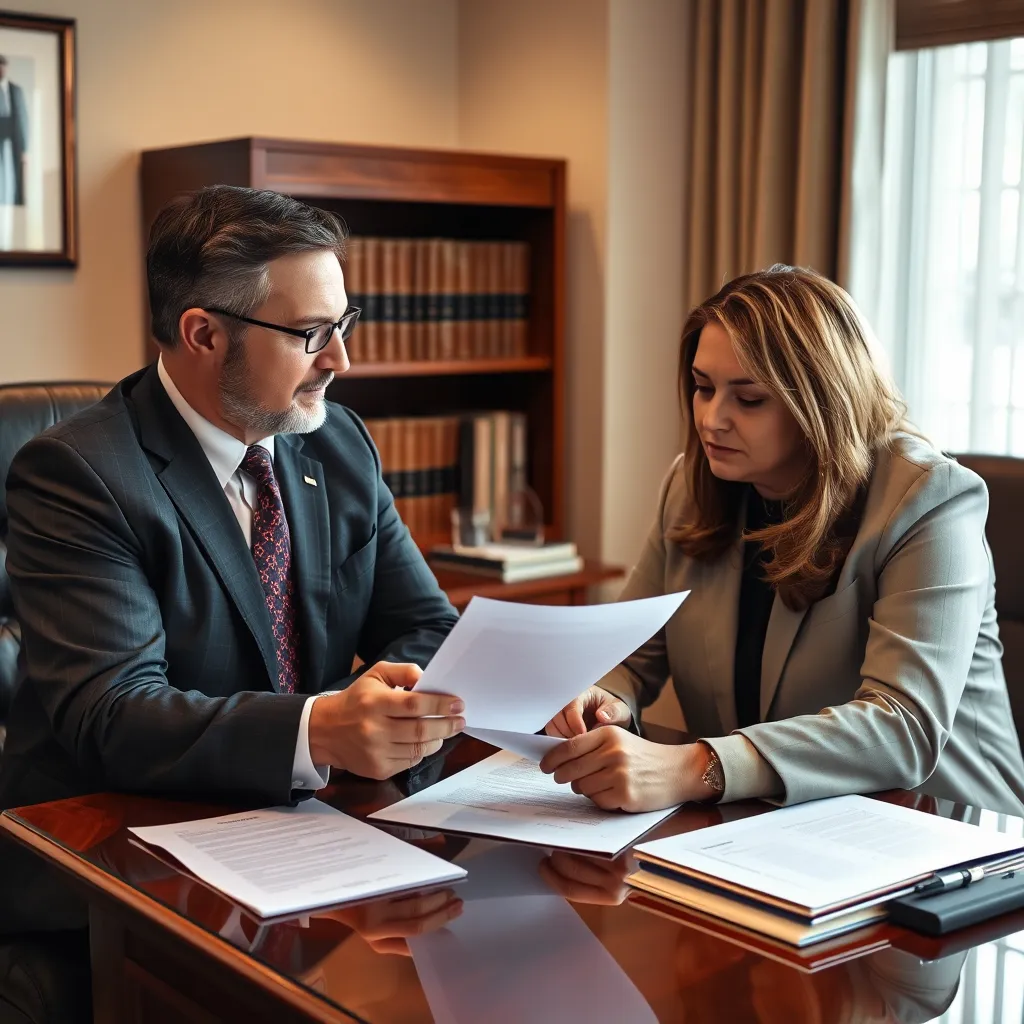
Permanent Alimony Lawyer Fairfax, VA
Permanent alimony—spousal support without a predetermined end date—can become a central issue in a divorce when one spouse, after a long marriage, faces a significant and enduring disparity in earning capacity or health. In Fairfax, Virginia, the courts that hear these matters include the Fairfax County Circuit Court for divorce and equitable distribution, and the Fairfax City Circuit Court for residents of the independent city. Both courts apply the same Virginia statutory framework under Va. Code § 20‑107.1, but the specific facts of a Fairfax case—the length of the marriage, the standard of living established in the Northern Virginia economy, and the employment prospects of each spouse—shape how the statutory factors are weighed. Mr. Sris and the firm’s Of Counsel attorneys represent clients throughout Fairfax County and Fairfax City, advocating for outcomes that reflect the particular financial circumstances of each family. To request a consultation, call Law Offices Of SRIS, P.C. at (888) 437‑7747. Law Offices Of SRIS, P.C. – Advocacy Without Borders.
What Permanent Alimony Means in Fairfax, Virginia
Permanent alimony is a form of spousal support that continues indefinitely, typically until the death of either party or the remarriage of the recipient, unless the court orders otherwise. Unlike temporary support, which covers the pendency of the divorce, or rehabilitative support, which aims to provide training or education for a limited period, permanent alimony is reserved for situations where the receiving spouse cannot become self‑supporting because of age, disability, or the lasting economic impact of a long‑term marriage. In Fairfax County and Fairfax City, the circuit court has jurisdiction over the award as part of an absolute divorce. The same court may entertain modifications if circumstances change materially after the decree.
Virginia is an equitable distribution state, not a community‑property state. The court divides marital property fairly but not necessarily equally. Spousal support is a separate determination, governed by the 13 factors in Va. Code § 20‑107.1. Those factors include the standard of living established during the marriage, the duration of the union, the age and physical and mental condition of each spouse, the contributions each made to the family, and the property interests each holds. For a Fairfax resident, the cost of living in Northern Virginia and the earning potential in the regional job market often feature prominently in permanent alimony arguments. Because the statutory factors are not formulaic, the same facts can lead to different support outcomes depending on how the evidence is presented. A spouse seeking or opposing permanent alimony benefits from an attorney who can assemble a detailed financial picture—including expert testimony from vocational evaluators, accountants, or medical professionals—and present it to the court in a way that addresses the statutory factors directly.
How Mr. Sris and the Firm’s Of Counsel Attorneys Handle Permanent Alimony Cases
When a permanent alimony claim is at issue, the approach begins with a careful review of the marriage’s economic history. Mr. Sris and the firm’s Of Counsel attorneys gather documentary evidence of income, assets, debts, and lifestyle, then compare that evidence to each of the 13 statutory factors. If the claiming spouse seeks permanent support, counsel concentrates on showing the need is not merely transitional but enduring—for example, because the spouse left the workforce decades ago to raise children and cannot realistically re‑enter at a comparable income level, or because a chronic health condition limits employability. If the responding spouse disputes the claim, the focus shifts to demonstrating that the claimant can become self‑supporting through reasonable efforts, or that a limited‑duration award will adequately address any disparity.
In Fairfax, the process typically involves written discovery, depositions, and, if necessary, the retention of financial attorneys. Settlement negotiations often produce a support amount and duration set forth in a property settlement agreement; if not, the matter goes to trial before the circuit judge. Post‑trial, the decree is subject to modification only upon a showing of a material change in circumstances—for instance, a significant change in either party’s income or the recipient’s remarriage. Mr. Sris and the firm’s Of Counsel attorneys also handle enforcement proceedings when a former spouse fails to pay court‑ordered alimony. Throughout every stage, the firm works to protect the client’s financial stability while keeping the litigation focused on the specific factors the Fairfax court will consider.
About Mr. Sris and the Firm’s Of Counsel Attorneys
Mr. Sris, Owner and Founder of Law Offices Of SRIS, P.C., founded the firm in 1997 after serving as a former prosecutor. He is admitted to practice in Virginia, Maryland, the District of Columbia, New Jersey, and New York. Mr. Sris testified before the Virginia House Courts of Justice Committee in support of 2019 HB 635 (chief patron Del. David Bulova). The firm’s Of Counsel attorneys bring extensive combined legal experience in family law and related practice areas. Results may vary.
The firm’s Fairfax location, at 4008 Williamsburg Court, serves clients throughout Fairfax County and Fairfax City. By appointment, Mr. Sris and the firm’s Of Counsel attorneys meet with individuals to discuss permanent alimony, spousal support modification, enforcement of existing orders, and other family law matters. Call (888) 437‑7747 to schedule a consultation.
Frequently Asked Questions
What is permanent alimony in Virginia?
Permanent alimony is court‑ordered spousal support that continues without a set end date, typically terminating only upon the death of either party or the recipient’s remarriage, unless the decree states otherwise. Virginia courts reserve this form of support for situations where a spouse cannot become self‑supporting because of age, disability, or the long‑term economic consequences of the marriage. The award is made under Va. Code § 20‑107.1, and the judge weighs 13 factors to decide whether the need is permanent. For guidance on your specific situation, reach Law Offices Of SRIS, P.C. at (888) 437‑7747.
How does a Fairfax court decide whether to award permanent alimony?
A Fairfax judge weighs the 13 statutory factors in Va. Code § 20‑107.1, including the standard of living during the marriage, the length of the union, each spouse’s age and health, and the receiving spouse’s ability to become self‑supporting. The court pays particular attention to whether the disparity in earning capacity appears long‑lasting rather than temporary. Because permanent alimony is indefinite, the judge will examine evidence of future earning prospects, any vocational retraining efforts, and the financial resources available after equitable distribution. To discuss the details of your matter, contact Law Offices Of SRIS, P.C. at (888) 437‑7747.
Can permanent alimony be modified in Virginia?
Permanent alimony can be modified if the party seeking the change proves a material change in circumstances that was not contemplated at the time of the original award. Common grounds include a substantial increase or decrease in either party’s income, the recipient’s cohabitation in a marriage‑like relationship, or a significant change in health. The party requesting the modification files a motion in the circuit court that issued the original decree, and the court holds a hearing. For a consultation, reach Mr. Sris at (888) 437‑7747.
Do I need a lawyer for permanent alimony in Fairfax?
While you are not required to have an attorney, representing yourself in a permanent alimony proceeding is risky because the outcome depends on how well you present the statutory factors and financial evidence to the court. An experienced family law attorney can gather the necessary documentation, retain expert witnesses where helpful, and argue the 13 factors under Va. Code § 20‑107.1 in a way that reflects Fairfax judicial practices. For guidance on your specific situation, reach Law Offices Of SRIS, P.C. at (888) 437‑7747.
How does permanent alimony differ from temporary or rehabilitative alimony?
Temporary alimony lasts only during the divorce litigation, and rehabilitative alimony is designed to support a spouse for a limited period while they obtain education or training. Permanent alimony, by contrast, has no predetermined end date and is reserved for circumstances where the supported spouse is unable to become self‑supporting. Each type of support addresses a different need, and a Fairfax court may award a combination depending on the facts. To discuss which form of support may apply in your case, contact Law Offices Of SRIS, P.C. at (888) 437‑7747.
What should I do if I cannot pay the alimony ordered by a Fairfax court?
If you are unable to pay court‑ordered alimony, you should immediately file a motion to modify the award rather than simply stop paying, because arrears accumulate and may lead to contempt proceedings. You will need to show a material change in circumstances, such as job loss or disability, that prevents you from meeting the obligation. Mr. Sris and the firm’s Of Counsel attorneys can assist with modification and enforcement matters in Fairfax County and Fairfax City. Call (888) 437‑7747 to request a consultation.
Explore related family law resources:
Attorney advertising. Prior results do not guarantee a similar outcome. Results may vary.
Case results depend on a variety of factors unique to each case.