
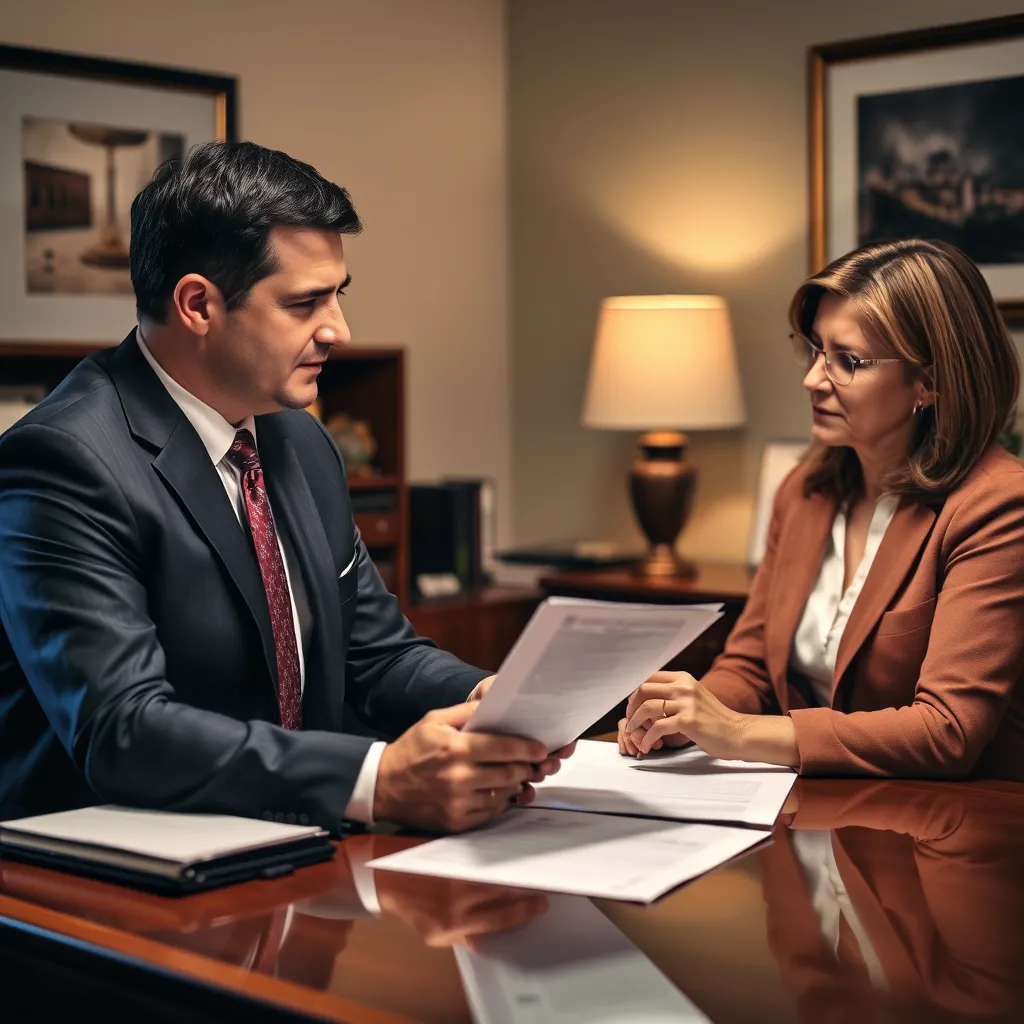
Legal Separation Lawyer Falls Church, VA
Virginia does not provide a stand-alone court form or docket for “legal separation,” but the separation period itself is one of the most important stages in any family law matter. How you structure your separation—where you live, how you handle finances, and what you agree to in writing—directly affects child custody, support, and property division if the marriage ultimately ends in divorce. For residents of Falls Church, an independent city nestled inside the Capital Beltway with its own General District Court and access to the Seventeenth Judicial Circuit, having experienced counsel during this stage can make a substantial difference. Mr. Sris and his Of Counsel at Law Offices Of SRIS, P.C. work with individuals throughout the separation period, helping them negotiate separation agreements, address temporary support and custody arrangements, and prepare for the divorce process when the statutory waiting period is met. Reach Law Offices Of SRIS, P.C. at (888) 437-7747 to schedule a consultation. Law Offices Of SRIS, P.C. – Advocacy Without Borders.
What Legal Separation Means in Falls Church, Virginia
Virginia law does not use the phrase “legal separation” as a formal status like some other states do. Instead, separation is a factual condition that serves as the foundation for a no-fault divorce under Va. Code § 20‑91(9). When parties live separate and apart without cohabitation and without interruption for the required period—six months if there are no minor children and they have executed a written separation agreement, or one year otherwise—either spouse may file a complaint for divorce in the Circuit Court. Falls Church residents will file any divorce action in the Falls Church Circuit Court, located at 300 Park Avenue, Suite 151W. The separate Juvenile and Domestic Relations District Court handles custody, visitation, child support, and protective orders during the separation period.
For many families, the separation stage is the time to negotiate and sign a property settlement agreement—also called a separation agreement—that resolves all issues of property division, spousal support, and, where appropriate, child custody and support. Virginia is an equitable distribution state, meaning the court will divide marital property fairly but not necessarily equally, guided by the factors in Va. Code § 20‑107.3. Having a comprehensive separation agreement in place often allows the divorce to proceed on the faster six-month timeline and can reduce the issues left for contested litigation. Mr. Sris and his Of Counsel have extensive experience in drafting and reviewing separation agreements tailored to the specific financial and parenting circumstances of Falls Church families.
How Mr. Sris and His Of Counsel Handle Legal Separation Cases
Because Virginia does not have a separate “legal separation” filing, much of the legal work during separation focuses on negotiation, documentation, and protective measures. Mr. Sris and his Of Counsel begin by understanding your immediate concerns: where you and your children will live, how bills will be paid while the divorce is pending, and what temporary parenting schedule will work. Where possible, they work to reach agreement with the other side, memorializing the terms in a pendente lite order filed with the court. This gives you the protection of a court order on issues such as exclusive use of the family home, temporary spousal support, and temporary custody without waiting for a final divorce hearing.
When a separation agreement is the goal, the team drafts a document that addresses the classification of marital and separate property, the division of real estate, retirement accounts, and business interests, and the amount and duration of any spousal support. They also coordinate with forensic accountants and business valuators when complex assets are involved. If you and your spouse are unable to agree, Mr. Sris and his Of Counsel prepare to litigate the contested issues in the Falls Church Circuit Court while continuing to protect your interests during the pendency of the case. Throughout, they aim to position you for the most efficient transition to a final divorce decree when the statutory separation period concludes.
About Mr. Sris and His Of Counsel Team
Mr. Sris, Owner and Founder of Law Offices Of SRIS, P.C., established the firm in 1997. A former prosecutor, he brings a trial-tested perspective to family law matters, having examined witnesses and presented cases in court. Mr. Sris testified before the Virginia House Courts of Justice Committee in support of 2019 HB 635 (chief patron Del. David Bulova). His background in litigation informs his approach to separation agreements and contested family law cases, where thorough preparation and knowledge of Virginia’s equitable distribution statute are essential.
Mr. Sris is supported by a team of Of Counsel attorneys who contribute extensive experience across family law, criminal defense, and other areas. The firm’s attorneys are admitted in Virginia, Maryland, the District of Columbia, New Jersey, and New York. Mr. Sris and his Of Counsel bring extensive combined legal experience to separation and divorce matters in Falls Church and throughout Northern Virginia. They serve clients from the firm’s Fairfax location, easily accessible to Falls Church residents via Route 7, Route 29, and I‑66.
Frequently Asked Questions
Does Virginia have a legal separation process?
Virginia does not have a formal court process called “legal separation.” Separation is a factual status that can become a ground for a no-fault divorce after the couple has lived separate and apart for the required period—six months with a signed separation agreement and no minor children, or one year otherwise. During the separation period, you can still negotiate custody, support, and property terms and seek temporary orders from the court. Contact Law Offices Of SRIS, P.C. at (888) 437-7747 for guidance on navigating separation in Falls Church.
What is a separation agreement, and do I need one in Falls Church?
A separation agreement is a written contract between spouses that resolves all issues related to their marriage, including property division, spousal support, and, if applicable, child custody and support. While not legally required, a signed separation agreement allows you to use the six-month separation ground for divorce if you have no minor children. It also provides a clear roadmap during the separation period. Mr. Sris and his Of Counsel can help you negotiate and draft an agreement that protects your interests. For a consultation, reach Law Offices Of SRIS, P.C. at (888) 437-7747.
How does separation affect child custody in Virginia?
Separation itself does not automatically determine custody, but the arrangements made during separation often influence the court’s final custody determination. Virginia courts decide custody based on the best interests of the child, considering ten statutory factors under Va. Code § 20‑124.3. During separation, you can agree on a temporary parenting plan, or you may petition the Falls Church Juvenile and Domestic Relations District Court for a temporary custody order. To discuss the details of your matter, contact Law Offices Of SRIS, P.C. at (888) 437-7747.
Can I get spousal support while separated in Falls Church?
Yes, you can request temporary spousal support, called pendente lite support, during the separation period. The court may order one spouse to pay maintenance and support to the other while the divorce is pending. The amount is based on the financial needs of the requesting spouse and the other spouse’s ability to pay, following the factors in Va. Code § 20‑107.1. Mr. Sris and his Of Counsel can assist you in filing the appropriate motions. For guidance on your specific situation, reach Law Offices Of SRIS, P.C. at (888) 437-7747.
How long must I be separated before I can file for divorce in Virginia?
If you have no minor children and have signed a separation agreement, you must be separated for six months; otherwise, you must be separated for one year. This requirement comes from Va. Code § 20‑91(9). The separation must be continuous and without cohabitation. Once the time is satisfied, you may file for divorce in the Falls Church Circuit Court. Mr. Sris and his Of Counsel can advise you on whether you meet the separation requirement. Reach Law Offices Of SRIS, P.C. at (888) 437-7747 to discuss your timeline.
Related Family Law Pages:
Fairfax County Family Law Lawyer |
Fairfax City Family Law Lawyer |
Prince William County Family Law Lawyer |
Manassas Family Law Lawyer
Virginia Primary Sources:
Virginia Code Title 20 (Domestic Relations) |
Falls Church General District Court |
Falls Church Circuit Court
Attorney advertising. Prior results do not guarantee a similar outcome. Results may vary.
Case results depend on a variety of factors unique to each case.