
Note: This article is confirmed by Law Offices Of SRIS, P.C.
AUTHOR BIO:WRITTEN BY
Since 1997, Mr. Sris has led the firm, focusing on the most challenging criminal and family law cases… His background in accounting and information management aids in financial and technology-related cases… Involved in significant legislative changes in Virginia.
Insight: My focus since founding the firm in 1997 has always been directed towards personally handling the most challenging and involved criminal and family law matters our clients face.
Insight: I find my background in accounting and information management provides a unique advantage when handling the intricate financial and technological aspects inherent in many modern legal cases.
Insight: As someone deeply involved in the community, I believe it’s important to not only practice law but also to actively participate in shaping it, which is why I dedicated effort towards amending Virginia Code § 20-107.3 and achieving state recognition for cultural milestones.
Legal Separation Lawyer Ashburn VA
What is Legal Separation
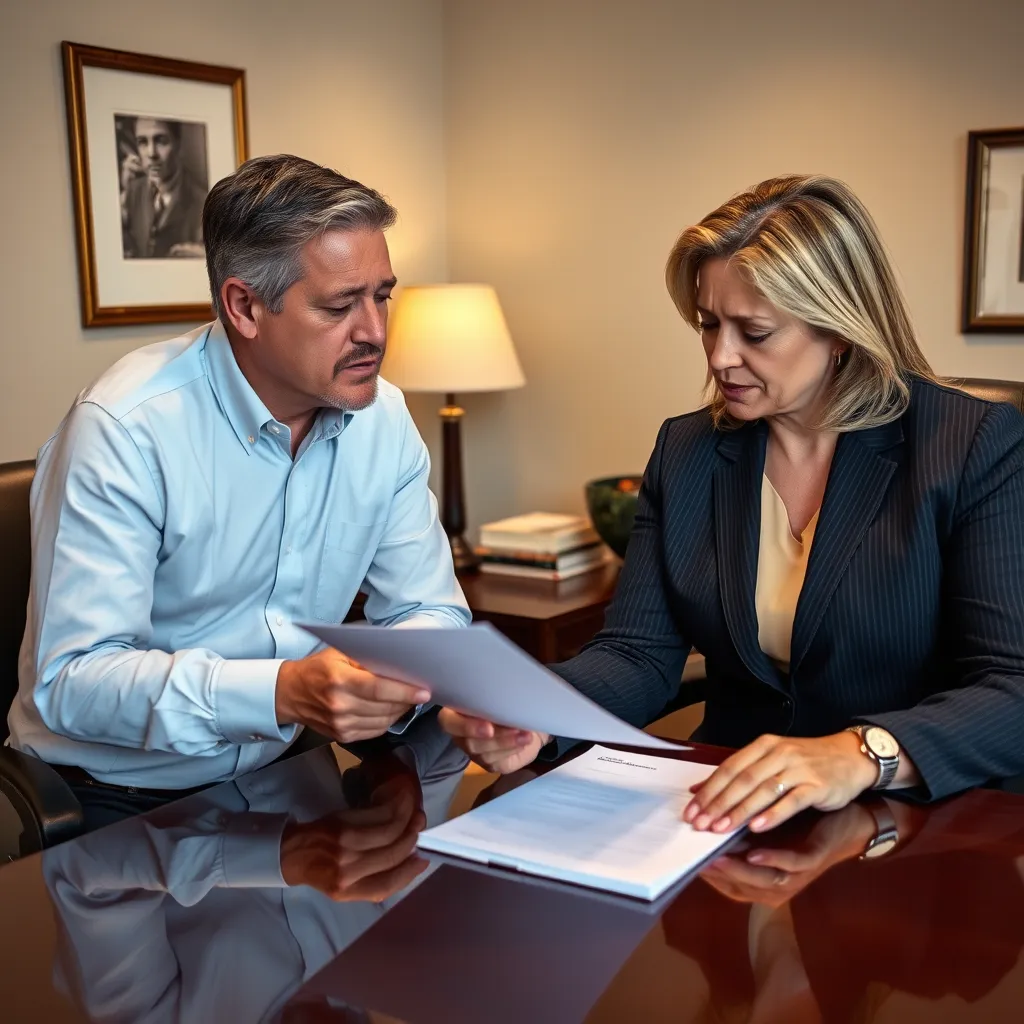
Legal separation serves as a structured alternative for couples who need to live apart but wish to maintain their marital status. In Virginia, this process requires filing a formal complaint with the court and obtaining judicial approval of a separation agreement. The agreement becomes a legally enforceable document that outlines rights and responsibilities for both parties.
The separation process begins with drafting a comprehensive agreement that addresses all relevant family law matters. This includes division of marital property, determination of spousal support obligations, establishment of child custody arrangements, and creation of visitation schedules. Each element requires careful consideration of Virginia’s legal standards and the specific circumstances of the marriage.
Developing effective legal arguments involves presenting clear documentation of the separation terms and demonstrating their fairness to both parties. The agreement must comply with Virginia family law requirements and address all necessary components for court approval. Proper preparation includes gathering financial documentation, assessing property values, and considering future needs of all family members.
Professional insight emphasizes the importance of thorough documentation and compliance with legal standards. Separation agreements must anticipate potential future developments and include provisions for modification under changing circumstances. Legal representation helps ensure all terms are clearly defined and enforceable under Virginia law.
How to Obtain Legal Separation
The legal separation process follows established Virginia family law procedures that ensure proper handling of marital matters. Initial steps involve consultation with legal counsel to understand rights and obligations under Virginia law. This includes reviewing financial circumstances, property holdings, and family arrangements that will be addressed in the separation agreement.
Drafting the separation agreement requires detailed attention to all aspects of the marital relationship. Property division must follow Virginia’s equitable distribution principles, considering factors like contribution to acquisition, duration of marriage, and economic circumstances. Spousal support determinations involve analysis of financial needs, earning capacity, and standard of living established during the marriage.
Child-related provisions require particular care to meet Virginia’s best interest standards. Custody arrangements must address physical and legal custody, visitation schedules, decision-making authority, and parenting time allocations. Support calculations follow established guidelines while considering special circumstances like educational needs or medical requirements.
Filing procedures involve submitting the separation agreement along with required court forms and supporting documentation. The court reviews the agreement for fairness and compliance with legal standards. Judicial approval transforms the agreement into a court order with full legal force and effect.
Can I Modify a Separation Agreement
Modification of separation agreements follows specific legal standards under Virginia family law. The ability to modify depends on the type of provision involved and the nature of changed circumstances. Child support and custody arrangements generally allow for modification when the child’s best interests require adjustment or when financial circumstances change significantly.
Spousal support modifications require demonstration of material change in circumstances affecting either party’s financial situation. This could include job loss, significant income changes, health issues, or retirement. The court examines whether the change was foreseeable at the time of the original agreement and whether it substantially affects the support arrangement’s fairness.
Property division terms in separation agreements typically cannot be modified after court approval, as these represent final settlements of marital property rights. However, enforcement actions may be necessary if parties fail to comply with property transfer or division requirements. Enforcement procedures involve court petitions to compel compliance with the agreement’s terms.
The modification process begins with filing a petition in the court that approved the original separation agreement. The petition must specify the requested changes and provide factual basis for the modification. Supporting documentation includes financial records, medical reports, or other evidence demonstrating changed circumstances.
Why Hire Legal Help for Separation
Legal separation involves numerous involved considerations that benefit from professional guidance. Virginia family law contains specific requirements for separation agreements that must be met for court approval. Legal representation helps ensure all necessary elements are included and properly addressed according to legal standards.
Property division under Virginia’s equitable distribution system requires careful analysis of marital assets, debts, and contributions. Legal counsel assists in identifying all marital property, valuing assets appropriately, and developing division proposals that meet legal standards. This includes consideration of retirement accounts, real estate, business interests, and other valuable assets.
Support determinations involve calculations based on statutory guidelines and case law principles. Legal representation helps ensure support amounts are calculated correctly and include appropriate provisions for modification under changing circumstances. This includes consideration of tax implications, duration of support, and security arrangements.
Child-related matters require particular attention to Virginia’s best interest standards. Legal assistance helps develop parenting plans that address custody, visitation, decision-making, and communication arrangements. Representation ensures plans meet legal requirements while serving the children’s needs and maintaining appropriate parental relationships.
FAQ:
1. What is the difference between legal separation and divorce in Virginia?
Legal separation maintains marital status while divorce terminates the marriage. Separation allows couples to address financial and family matters without ending the marriage legally.
2. How long does legal separation take in Virginia?
The timeline varies based on case challenge and court schedules. Simple agreements may take weeks while contested matters can require several months for resolution.
3. Can I date during legal separation?
Virginia considers dating during separation as grounds for divorce. Separation maintains marital bonds with associated legal restrictions on new relationships.
4. What happens if we reconcile after legal separation?
Reconciliation may void the separation agreement. Parties should consult legal counsel about proper procedures for resuming marital cohabitation after separation.
5. Is legal separation required before divorce in Virginia?
Virginia does not require legal separation before filing for divorce. However, separation periods may satisfy residency requirements for certain divorce grounds.
6. How does separation affect health insurance coverage?
Separation may affect insurance eligibility depending on policy terms. Some plans continue coverage for separated spouses while others terminate benefits.
7. Can separation agreements include business interests?
Yes, separation agreements should address all marital assets including business interests, requiring proper valuation and division arrangements.
8. What if my spouse violates the separation agreement?
Violations may require court enforcement actions. Legal remedies include contempt proceedings, monetary judgments, or modification petitions based on non-compliance.
9. How does separation affect tax filing status?
Separated couples may file separately or jointly depending on circumstances. Tax professionals can advise on optimal filing status during separation periods.
10. Can separation agreements address future inheritance rights?
Separation agreements may include provisions regarding inheritance rights and estate planning matters during the separation period.
11. What happens to joint debts during separation?
Separation agreements should specify responsibility for joint debts. Both parties generally remain liable to creditors regardless of internal agreements.
12. How does separation affect military benefits?
Military benefits may continue during separation depending on service requirements and duration of marriage. Specific regulations govern benefit continuation.
Past results do not predict future outcomes