
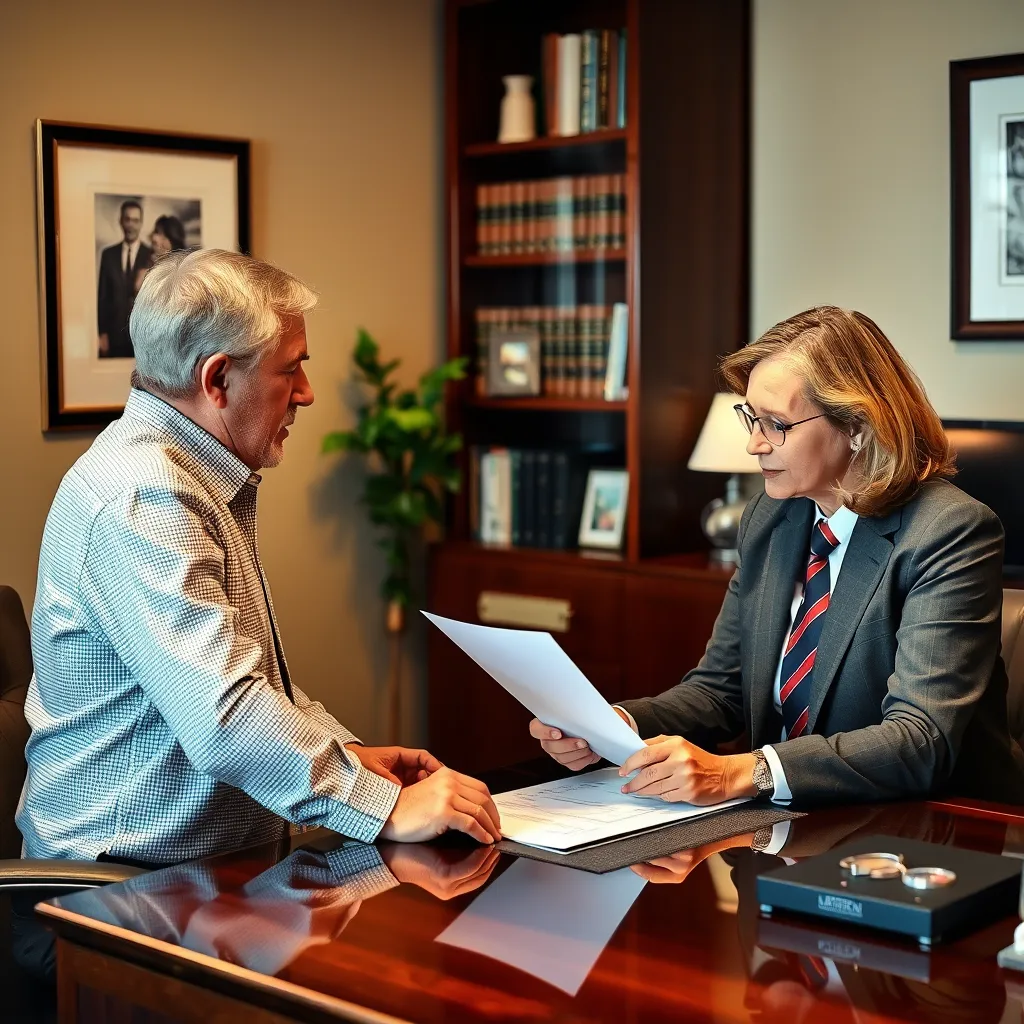
Kinship Guardianship Lawyer Fairfax, VA
When you open your home to a child whose parents are unable to provide stable care, you are doing what family does. But the legal path from a handshake agreement to a formal, enforceable guardianship can feel unfamiliar. A grandparent in Fairfax who discovers that a custody arrangement with the other parent is no longer working, or an aunt who has been raising a niece for months without the authority to enroll her in school—these family members need a legally recognized role. Mr. Sris and the firm’s Of Counsel attorneys help relatives throughout Fairfax County and the City of Fairfax petition the Juvenile and Domestic Relations District Court or Circuit Court for kinship guardianship under Virginia Code § 64.2-2000 et seq. The process requires paperwork, a hearing, and a showing that the arrangement serves the child’s welfare. If you are seeking a stable, court-sanctioned placement for a child you love, reach Law Offices Of SRIS, P.C. at (888) 437-7747 to discuss your situation. Law Offices Of SRIS, P.C. – Advocacy Without Borders.
What Kinship Guardianship Means in Fairfax, Virginia
Kinship guardianship is a family-law mechanism that grants a relative—or, in some circumstances, a person with a close relationship to the child—the legal authority to care for a minor when neither parent is able to do so. Unlike adoption, it does not sever the parents’ rights entirely; the guardianship can be temporary or enduring, and a parent may later seek to modify or end it. In Fairfax County, kinship guardianship matters are heard in the Juvenile and Domestic Relations District Court when a child’s welfare is at issue outside a pending divorce, or in the Fairfax County Circuit Court when the guardianship arises within a broader equitable-distribution or divorce proceeding. The City of Fairfax’s own J&DR and Circuit courts serve the same functions for families within the city limits.
Virginia law does not prescribe a one-size-fits-all standard for kinship guardianship. The court looks to the best interests of the child—a broad standard that considers the child’s relationship with the proposed guardian, the stability of the home, the reasons the parents are unavailable, and any history of abuse or neglect. Because the proceeding is civil, the standard of proof is a preponderance of the evidence, but the court’s primary concern is always the child’s safety and continuity of care. The firm’s attorneys have appeared before both the Fairfax County and Fairfax City courts and understand the local practices—from the forms required to the way judges on the Nineteenth Judicial District handle contested and uncontested petitions.
How Our Firm Approaches Kinship Guardianship Cases
Every kinship guardianship begins with a conversation. Before a petition is drafted, Mr. Sris and the firm’s Of Counsel attorneys want to understand the family’s situation: How did the child come into your home? Is a parent incarcerated, struggling with illness, deployed, or facing deportation? Are there competing family members asserting a right to custody? The answers shape the strategy. The attorneys then gather the necessary documentation—school records, medical reports, statements from social workers or counselors—to present a clear picture of the child’s daily life. The petition itself must articulate why the guardianship serves the child’s welfare, and it is filed in the proper court based on whether a divorce or protective-order matter is already pending.
Once the case is underway, the firm represents you at every hearing. The J&DR District Court may schedule an initial appearance within weeks of filing, and a contested guardianship can involve testimony from family members, social workers, and, when necessary, a Guardian ad litem appointed to represent the child’s interests. Mr. Sris and the firm’s Of Counsel attorneys handle direct and cross-examination, present evidence, and argue the legal points that matter under Virginia’s equitable standards. They also work to resolve disputes through negotiation where possible, because a consensual arrangement that both sides can live with reduces conflict and preserves family relationships. The goal is a final order that gives you the legal authority to make decisions about the child’s education, healthcare, and daily welfare—and that provides the stability the child needs.
About Mr. Sris and the Firm’s Of Counsel Attorneys
Mr. Sris, Owner and Founder of Law Offices Of SRIS, P.C., has been practicing since 1997. A former prosecutor, he brings trial experience to every family-law matter. He is admitted in Virginia, Maryland, the District of Columbia, New Jersey, and New York, and concentrates his practice on representing individuals in complex family-law and guardianship proceedings. The firm’s Of Counsel attorneys—licensed in Virginia and other jurisdictions—add courtroom experience and substantive knowledge in overlapping areas such as child custody and child-protective-services matters. Together, Mr. Sris and the firm’s Of Counsel attorneys have handled thousands of matters since the firm’s founding. In Fairfax County alone, the firm has documented 1,789 case results across all practice areas, with a 97 percent favorable outcome rate. Results may vary.
Frequently Asked Questions
Who can seek kinship guardianship in Virginia?
A relative—grandparent, aunt, uncle, adult sibling, or other close family member—may petition for kinship guardianship when a child’s parents are unable to provide adequate care. The court will consider a non-relative only if the person has a significant and positive relationship with the child. The petitioner must show that the guardianship is in the child’s best interests.
What is the difference between kinship guardianship and adoption?
A guardianship gives the caregiver legal authority over the child without ending the parents’ rights. The parents may later seek to regain custody if circumstances change. Adoption permanently severs the legal parent-child relationship and creates a new one. Many families begin with guardianship as a timely solution while later evaluating adoption. The choice depends on the family’s goals and the parents’ situation.
How does the Fairfax County court decide what is in the child’s best interest?
The judge reviews all relevant facts: the child’s age, health, relationship with the proposed guardian, stability of the home, wishes of the child (if mature enough), and any history of abuse or neglect. The court also considers the reasons the parents cannot care for the child and whether the guardianship would promote the child’s safety and emotional well-being. A Guardian ad litem may be appointed to investigate and report to the court.
Do I need a lawyer for a kinship guardianship case in Fairfax?
While you are not legally required to have an attorney, the process involves detailed pleadings, deadlines, and courtroom advocacy. An experienced family-law attorney can prepare the petition, gather evidence, and present your case at the hearing. If the parents or other relatives contest the guardianship, representation becomes even more valuable. The firm offers consultations by appointment to discuss your situation.
What if the parents object to the guardianship?
A contested guardianship is heard by the court. The petitioner must present evidence that the guardianship serves the child’s welfare, and the parents have the right to present counter-evidence. The judge will determine whether the guardianship should be granted based on the child’s best interests. Mr. Sris and the firm’s Of Counsel attorneys have litigated contested family-law matters in Fairfax County courts.
How long does the kinship guardianship process take in Fairfax County?
The timeline depends on the court’s calendar, whether the case is contested, and the availability of a Guardian ad litem. An uncontested matter may be resolved relatively quickly after the petition is filed, while a contested case takes longer. The firm’s attorneys work to move the case forward without unnecessary delay, but each case is unique. For guidance specific to your situation, contact the firm at (888) 437-7747.
Primary Legal Resources
Virginia Code Title 64.2 — Wills, Trusts, and Fiduciaries |
Fairfax County Juvenile & Domestic Relations District Court |
Fairfax County Circuit Court
Attorney advertising. Prior results do not guarantee a similar outcome. Results may vary.
Law Offices Of SRIS, P.C. — Fairfax Location: 4008 Williamsburg Court, Fairfax, VA 22032. By appointment only. Call (888) 437-7747 to schedule.
Case results depend on a variety of factors unique to each case.