
Failed to Stop for a School Bus Lawyer Fairfax VA
A charge for failing to stop for a school bus in Fairfax, Virginia, can carry serious consequences — including license demerit points, substantial fines, and potential liability in a civil suit if a crash occurs. At Law Offices Of SRIS, P.C., Mr. Sris and the firm’s Of Counsel attorneys represent drivers cited under Va. Code § 46.2‑844 and defend residents of Fairfax County, Fairfax City, Herndon, Vienna, and surrounding areas in the Fairfax County General District Court. To discuss your case, contact the firm at (888) 437‑7747. Law Offices Of SRIS, P.C. – Advocacy Without Borders.
What a School‑Bus‑Stop Violation Means in Fairfax, Virginia
Fairfax County handles a high volume of school‑bus‑stop citations each year, largely because of dense suburban traffic patterns, numerous school zones along arterial roads like Route 7, Route 50, and the Fairfax County Parkway, and a heavily deployed Fairfax County Police traffic unit. An accused driver receives a summons listing a specific code section and a hearing date at the Fairfax County General District Court, located on Chain Bridge Road. The court’s judges evaluate the evidence presented by the officer and may consider factors such as road configuration, whether the bus was on a divided highway, and the presence of any witnesses.
Virginia law makes it a traffic infraction to fail to stop when approaching a school bus that has activated its flashing red lights and extended its stop‑arm, unless the driver is traveling on a divided highway where the bus is on the opposite roadway separated by a physical barrier or unpaved median. The factual inquiry often turns on what the driver observed versus what the bus driver or an automated camera captured. Without legal guidance, many drivers end up paying the ticket, accepting the demerit points, and leaving themselves exposed to a civil claim if an accident occurred. Mr. Sris and the firm’s Of Counsel attorneys examine the specific facts, including dash‑cam video, bus‑camera footage, and the officer’s notes, to determine the appropriate legal response.
How Mr. Sris and His Of Counsel Handle School‑Bus‑Stop Cases
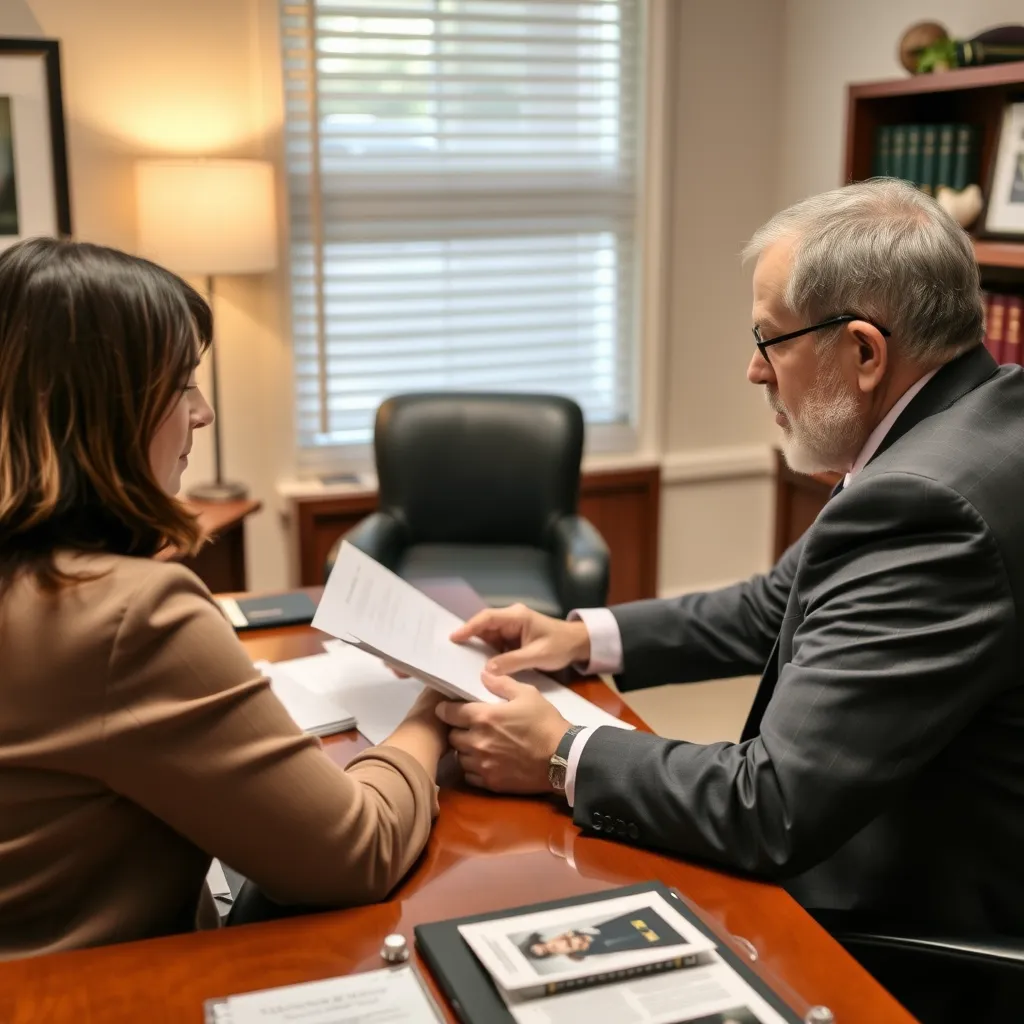
When a client reaches Law Offices Of SRIS, P.C., the first step is a detailed review of the summons and the circumstances surrounding the stop. The attorney may identify grounds to challenge the citation — for example, whether the bus’s lights were activated within the distance specified by statute, whether the vehicle was on a qualifying divided highway, or whether the officer’s identification of the driver was reliable. If the drivers wishes to contest the ticket, the attorney prepares for an appearance in the Fairfax County General District Court. A successful defense may result in dismissal, reduction to a less severe infraction, or a not‑guilty finding.
If the incident involves a collision with a child or another vehicle, the stakes rise substantially. A conviction can become evidence of negligence in a civil lawsuit for damages. In that scenario, the firm coordinates the criminal traffic defense with an assessment of the potential civil exposure. While Law Offices Of SRIS, P.C. Does not guarantee any particular outcome, the attorneys work to minimize the long‑term impact of the charge — protecting the client’s driving record, insurance premiums, and personal assets from a civil judgment.
About Mr. Sris and His Of Counsel Attorneys
Mr. Sris, Owner and Founder of Law Offices Of SRIS, P.C., has practiced law since 1997 and is admitted in Virginia, Maryland, the District of Columbia, New Jersey, and New York. A former prosecutor, Mr. Sris draws on his background in traffic‑court and criminal practice to analyze the issues that arise in school‑bus‑stop cases. The firm’s Of Counsel attorneys add additional trial experience and work collaboratively under Mr. Sris’s guidance. Together, Mr. Sris and his Of Counsel bring extensive combined legal experience. Results may vary.
The firm’s Fairfax County location serves clients across Fairfax City, McLean, Tysons, Reston, Centreville, Annandale, and other communities. Appointments are by telephone or video conference when the client prefers; by‑appointment‑only, call (888) 437‑7747 to schedule.
Frequently Asked Questions
What is the penalty for failing to stop for a school bus in Virginia?
Under Virginia law, failing to stop for a school bus is a traffic infraction that carries a fine of up to $250 and four demerit points against the driver’s license. A conviction may also lead to increased automobile insurance premiums and can be used as evidence of negligence if the incident involved a crash. The actual fine imposed by the Fairfax County General District Court varies depending on the judge’s assessment of the circumstances. Because the offense is civil, not criminal, jail time is not a possible sentence. Drivers who wish to challenge the citation, rather than pay it, may present evidence and witnesses at the scheduled hearing.
Do I need a lawyer for a school‑bus‑stop ticket in Fairfax County?
You are not legally required to hire an attorney for a school‑bus‑stop ticket, but an experienced traffic-ticket lawyer can review the citation for legal or factual weaknesses that may be missed by a self‑represented driver. Fairfax County General District Court judges handle a high volume of traffic infractions, and the officer will testify to the elements of the alleged violation. An attorney cross‑examines the officer and may introduce evidence such as dash‑cam footage, photographs of the roadway, or testimony about the bus’s signal timing. The firm’s Of Counsel attorneys have appeared in that court and can advise on whether fighting the ticket is likely to be worthwhile based on the specific facts.
Can I lose my license for failing to stop for a school bus in Virginia?
A single conviction for failing to stop for a school bus will not automatically suspend your license, but the four demerit points may contribute to a point-triggered suspension if your record already contains other violations. Accumulating 18 demerit points within 12 months or 24 points within 24 months can lead to a license suspension. The Virginia Department of Motor Vehicles also requires drivers to complete a driver-improvement clinic under certain point‑threshold circumstances. Protecting a clean driving record often is the primary reason clients choose to contest the ticket rather than simply pay it.
How does the court prove I failed to stop for a school bus in Fairfax County?
The officer testifies to observations of the alleged violation — including the position of the bus, activation of the lights, and the driver’s actions — and may present video from the officer’s vehicle or the bus’s on‑board camera system. Under Virginia law, the officer must show that the school bus was stopped, that its visual signals were activated, and that the driver approached from any direction on a roadway not separated by a physical barrier or unpaved median. If any element is missing, the case may fail. The accused driver may also call witnesses, such as passengers or other motorists, to dispute the officer’s account.
What should I bring to a consultation about a school‑bus‑stop ticket?
Bring the summons, any photographs or screenshots of the location, your copy of your driving record, and any correspondence you have received from the court or your insurance company. If you have dash‑cam or cell‑phone video of the incident, that can be especially helpful. The attorney will also want to know whether there were any passengers in the vehicle, whether the stop occurred at a designated school‑bus stop, and whether the bus driver or a school official has reached out to you. All details help the firm evaluate potential defenses.
If I caused an accident at a school‑bus stop, will I be sued?
If you were involved in a crash while failing to stop for a school bus, you may face a civil lawsuit from the injured party. A conviction for the traffic infraction can be introduced in a civil negligence case as evidence of a statutory violation, which often shifts the burden to the driver to explain why the violation does not constitute negligence. Law Offices Of SRIS, P.C. may assist with the civil liability defense, but it is important to remember that the firm does not guarantee a particular result and that Results may vary. Based on the unique facts of each case.
For more information on Virginia traffic laws and court procedures, visit: Virginia Motor Vehicle Code (Title 46.2); Fairfax County General District Court; Virginia Department of Motor Vehicles
Related pages: Fairfax County Traffic Lawyer | Reckless Driving Lawyer Fairfax VA | Sussex-Style Driving Defense | DUI Lawyer Fairfax VA
Attorney advertising. Prior results do not guarantee a similar outcome. Case results depend on a variety of factors unique to each case. Results may vary.