
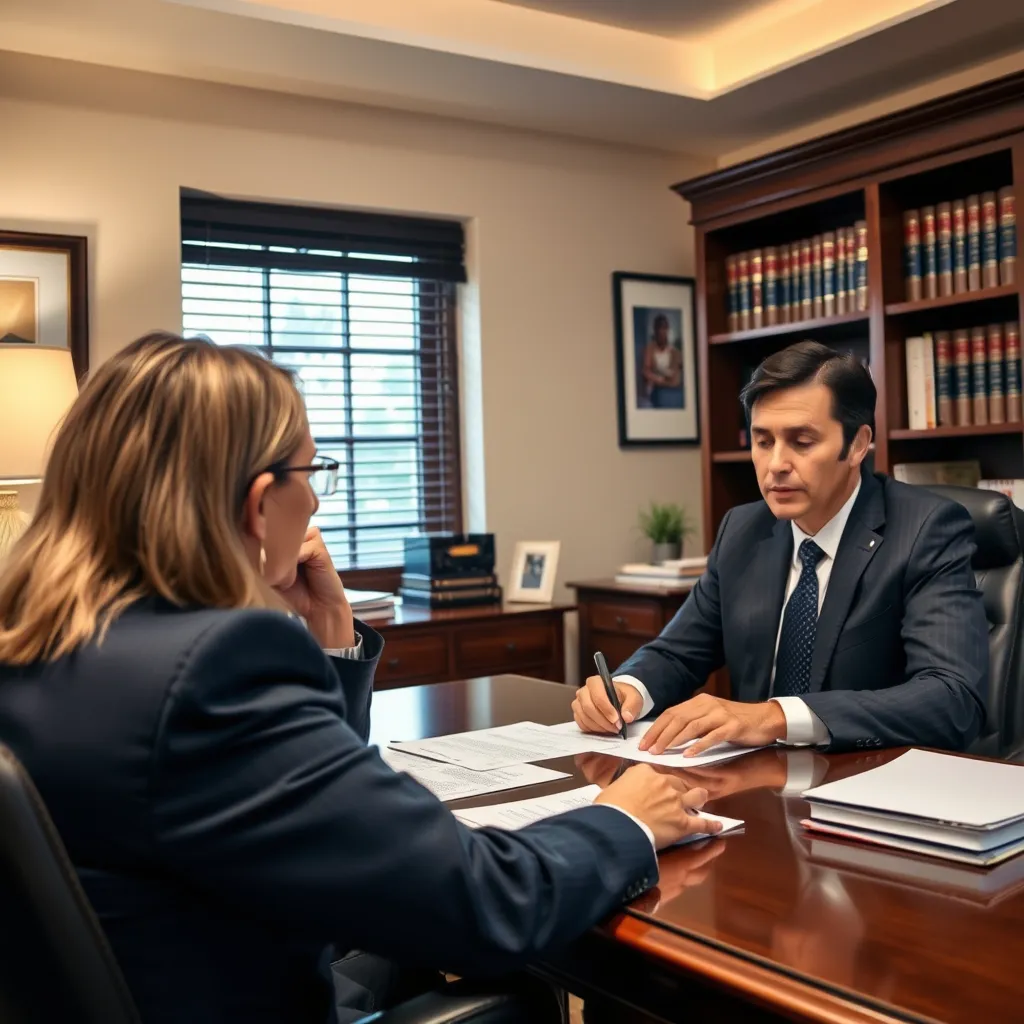
Note: This article is confirmed by Law Offices Of SRIS, P.C.
WRITTEN BY: Mr. Sris
Since 1997, Mr. Sris has led the firm, focusing on the most challenging criminal and family law cases… His background in accounting and information management aids in financial and technology-related cases… Involved in significant legislative changes in Virginia.
Insight: My focus since founding the firm in 1997 has always been directed towards personally handling the most challenging and involved criminal and family law matters our clients face.
Insight: I find my background in accounting and information management provides a unique advantage when handling the intricate financial and technological aspects inherent in many modern legal cases.
Insight: As someone deeply involved in the community, I believe it’s important to not only practice law but also to actively participate in shaping it, which is why I dedicated effort towards amending Virginia Code § 20-107.3 and achieving state recognition for cultural milestones.
Foreign Divorce Decree Enforcement Lawyer Vienna VA
What is Foreign Divorce Decree Enforcement
Foreign divorce decree enforcement refers to the legal process where a divorce judgment obtained in another country is recognized and enforced by courts in Virginia. This area of law addresses situations where individuals have obtained divorces abroad but need those decisions to have legal effect in the United States. The enforcement process ensures that property division, spousal support, child custody, and other divorce-related matters are legally binding in Virginia.
The process begins with determining whether the foreign divorce judgment qualifies for recognition under Virginia law. Courts examine whether the foreign court had proper jurisdiction over the case, whether both parties received adequate notice of the proceedings, and whether the judgment violates public policy in Virginia. Different countries have varying legal standards for divorce, so Virginia courts carefully review foreign judgments to ensure they meet basic fairness requirements.
To enforce a foreign divorce decree, specific legal procedures must be followed. This typically involves filing a petition with the appropriate Virginia court, providing certified copies of the foreign judgment and its translation if necessary, and demonstrating that the foreign court had proper authority to issue the divorce. The process may also require presenting evidence about the foreign legal system and how divorce judgments are treated in that country.
Professional legal assistance is important for managing foreign divorce decree enforcement effectively. Lawyers experienced in international family law understand the specific requirements for recognition and enforcement. They can help gather necessary documentation, prepare legal arguments, and represent clients in court proceedings. Proper handling of these cases helps ensure that foreign divorce judgments are properly recognized and enforced in Virginia.
Reality Check: Foreign divorce enforcement can be time-consuming and requires careful attention to legal details. Each country’s legal system differs, and Virginia courts scrutinize foreign judgments thoroughly before granting recognition.
How to Enforce a Foreign Divorce Decree in Virginia
The process for enforcing a foreign divorce decree in Virginia follows established legal procedures designed to ensure fairness and proper recognition of international judgments. The first step involves gathering all necessary documentation related to the foreign divorce. This includes obtaining certified copies of the divorce judgment from the foreign court, any supporting documents, and official translations if the documents are not in English. Proper documentation forms the foundation for the enforcement petition.
Once documentation is prepared, the next step is filing a petition with the appropriate Virginia court. The petition must clearly state the request for recognition and enforcement of the foreign divorce decree. It should include information about the foreign court that issued the judgment, details about the divorce proceedings, and arguments supporting why Virginia should recognize the foreign judgment. The petition must comply with Virginia’s procedural rules for enforcement actions.
Virginia courts will review the petition and supporting documents to determine whether the foreign divorce decree meets legal requirements for enforcement. The court examines whether the foreign court had proper jurisdiction over the divorce case, whether both parties received adequate notice of the proceedings, and whether the judgment violates Virginia public policy. Courts also consider whether the foreign legal system provides basic procedural fairness similar to Virginia’s system.
If the court grants recognition, the foreign divorce decree becomes enforceable in Virginia. This means that provisions regarding property division, spousal support, child custody, and other matters can be enforced through Virginia courts. The enforcement process may involve additional court proceedings to implement specific provisions of the divorce decree, such as property transfers or support payments.
Straight Talk: The enforcement process requires careful preparation and understanding of both foreign and Virginia legal systems. Missing documentation or procedural errors can delay or prevent enforcement.
Can I Enforce a Foreign Divorce Decree Without a Lawyer
The question of whether to handle foreign divorce decree enforcement without legal representation involves considering the challenge of the legal process. While individuals have the right to represent themselves in court, foreign divorce enforcement presents specific challenges that often benefit from professional legal assistance. The process requires understanding both international law principles and Virginia’s specific requirements for recognizing foreign judgments.
One major challenge involves gathering and preparing the necessary documentation. Foreign divorce decrees must be properly certified and may require official translations. Understanding what documentation is required and how to obtain it from foreign courts can be difficult without legal experience. Additionally, different countries have varying procedures for certifying court documents, and improper documentation can lead to delays or denial of enforcement.
Court procedures present another area where legal representation can be beneficial. Filing the proper petitions, serving documents on the other party, and following court rules require specific knowledge of Virginia legal procedures. Mistakes in procedural matters can result in the case being dismissed or delayed. Lawyers familiar with enforcement proceedings understand the timeline requirements, filing deadlines, and procedural steps needed for successful enforcement.
Legal arguments supporting enforcement require understanding of both the foreign legal system and Virginia law. The petition must demonstrate that the foreign court had proper jurisdiction, that the proceedings were fair, and that the judgment doesn’t violate Virginia public policy. Developing these arguments effectively requires legal research and understanding of relevant case law. Professional legal assistance can help present the strongest possible case for enforcement.
While some individuals may choose to proceed without a lawyer, the challenge of foreign divorce enforcement often makes professional representation a practical choice. Lawyers can help avoid common pitfalls, ensure proper procedures are followed, and present effective legal arguments. This can save time and increase the likelihood of successful enforcement.
Blunt Truth: Foreign divorce enforcement involves technical legal requirements that are easy to misunderstand without legal training. Professional help often proves more efficient than self-representation.
Why Hire Legal Help for Foreign Divorce Enforcement
Obtaining professional legal assistance for foreign divorce decree enforcement offers several important benefits in managing this involved area of law. Lawyers experienced in international family law understand the specific requirements for recognizing foreign judgments in Virginia. They can guide clients through the entire enforcement process, from initial documentation gathering to final court proceedings. This professional support helps ensure that all legal requirements are met properly.
One significant advantage involves documentation preparation and verification. Lawyers know what documents are required for enforcement proceedings and how to obtain properly certified copies from foreign courts. They can arrange for official translations when needed and ensure documentation meets Virginia’s legal standards. Proper documentation forms the foundation of any enforcement case, and professional assistance helps avoid problems with incomplete or improperly prepared documents.
Court procedure management represents another area where legal help proves valuable. Lawyers understand the specific filing requirements, deadlines, and procedural rules for enforcement actions in Virginia courts. They can prepare and file all necessary petitions and motions, serve documents properly on the other party, and represent clients in court hearings. Professional representation helps ensure that procedural requirements are met, reducing the risk of delays or dismissal due to technical errors.
Legal argument development benefits from professional experience. Lawyers can research relevant case law, develop arguments supporting enforcement, and respond to any objections raised by the other party. They understand how to demonstrate that foreign court proceedings were fair, that jurisdiction was proper, and that the judgment doesn’t violate Virginia public policy. Effective legal arguments increase the likelihood of successful enforcement.
Overall professional guidance helps clients understand their options and make informed decisions about enforcement proceedings. Lawyers can explain the likely outcomes, potential challenges, and practical considerations involved in foreign divorce enforcement. This guidance helps clients manage expectations and prepare for the enforcement process effectively.
Reality Check: Foreign divorce enforcement involves addressing different legal systems and involved procedures. Professional legal help provides practical support for managing these challenges effectively.
FAQ:
What documents are needed for foreign divorce enforcement?
You need certified copies of the foreign divorce judgment, translations if not in English, and proof of proper notice to both parties during the original proceedings.
How long does foreign divorce enforcement take?
The process typically takes several months, depending on court schedules, documentation completeness, and whether the other party contests the enforcement.
Can Virginia refuse to enforce a foreign divorce?
Yes, if the foreign court lacked jurisdiction, proper notice wasn’t given, or the judgment violates Virginia public policy.
What if my foreign divorce involves child custody?
Child custody provisions may require separate enforcement under international treaties like the Hague Convention on child abduction.
Do I need to be present in Virginia for enforcement?
Physical presence isn’t always required, but you may need to appear for court hearings or provide sworn statements.
Can I enforce only part of a foreign divorce decree?
Virginia courts may recognize some provisions while rejecting others if they violate state law or public policy.
What if the other party objects to enforcement?
The court will hold hearings to consider objections and determine whether the foreign judgment meets enforcement standards.
How much does foreign divorce enforcement cost?
Costs vary based on case challenge, documentation needs, and whether the enforcement is contested in court.
Can I enforce a foreign divorce from any country?
Most countries’ judgments can be enforced, but some nations’ legal systems may not meet Virginia’s fairness standards.
What happens after enforcement is granted?
The foreign divorce becomes enforceable in Virginia, allowing implementation of property division, support orders, and other provisions.
Do I need to register the foreign divorce first?
Registration isn’t always required, but proper court filing is necessary for enforcement proceedings.
Can I modify provisions during enforcement?
Modification requests require separate legal proceedings and must meet Virginia’s standards for modifying divorce judgments.
Past results do not predict future outcomes