
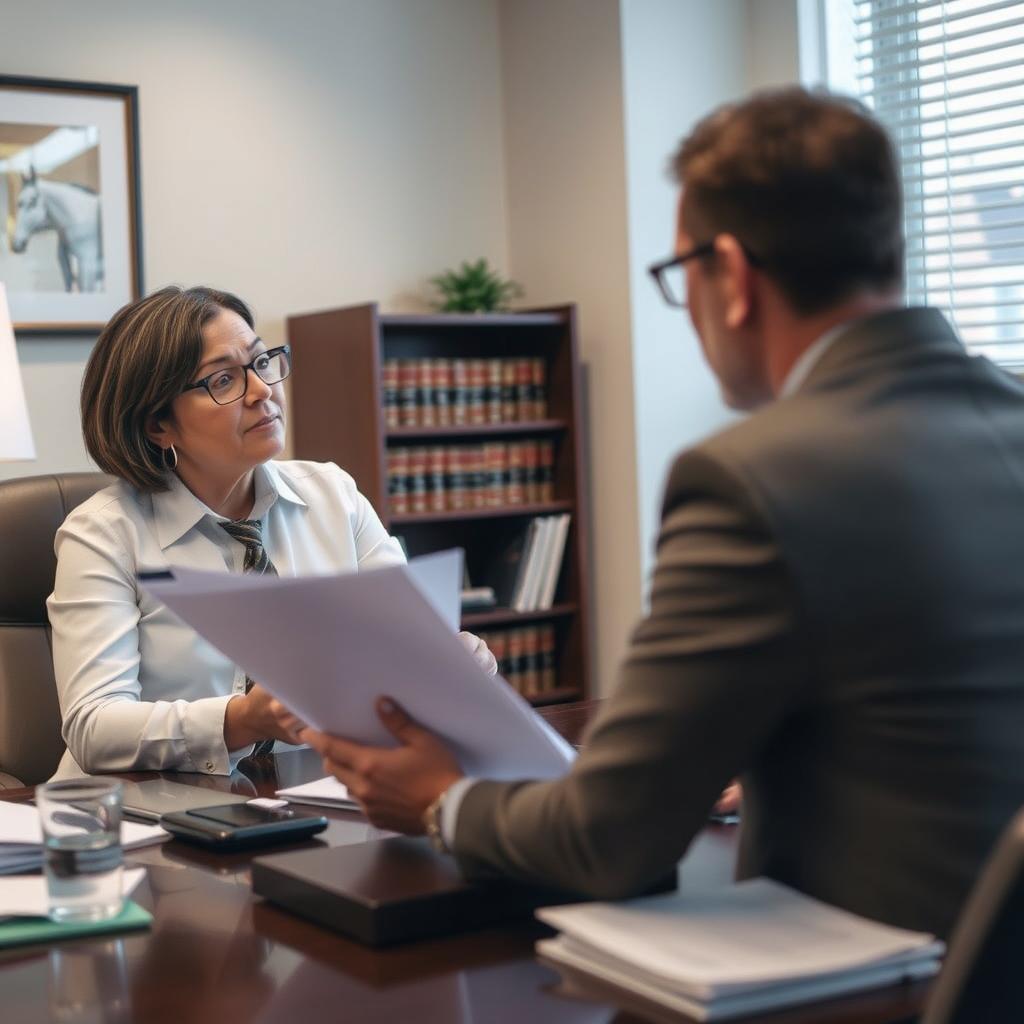
Destruction of Property Defense Lawyer Falls Church, VA
In Virginia, a charge of destruction of property under Va. Code § 18.2-137 can bring serious consequences. If the damage is valued at less than $1,000, the offense is a Class 1 misdemeanor. Damage of $1,000 or more elevates the charge to a Class 6 felony. A conviction—whether misdemeanor or felony—may result in jail time, significant fines, and a permanent criminal record that can affect employment, professional licenses, and housing. In Falls Church, these cases are prosecuted by the Commonwealth’s Attorney in the Falls Church General District Court for misdemeanors and the Falls Church Circuit Court for felonies. Mr. Sris and his Of Counsel understand that a destruction of property allegation often turns on valuation, intent, and the credibility of the evidence. The right defense strategy begins with a thorough evaluation of the circumstances. If you are facing a destruction of property charge in Falls Church, contact Law Offices Of SRIS, P.C. at (888) 437-7747 to schedule a consultation. Law Offices Of SRIS, P.C. – Advocacy Without Borders.
Destruction of property under Va. Code § 18.2-137 is a Class 1 misdemeanor (up to 12 months in jail and a $2,500 fine) when the damage is under $1,000, and a Class 6 felony (1–5 years in prison) when the damage is $1,000 or more.
Source: Va. Code § 18.2-137. Virginia Legislative Information System
Reviewed by Mr. Sris, admitted in VA/MD/DC/NJ/NY.
What Destruction of Property Defense Means in Falls Church, VA
Falls Church, an independent city in the Seventeenth Judicial District of Virginia, handles destruction of property cases at two court levels. Misdemeanor charges are heard at the Falls Church General District Court, located at 300 Park Avenue, Suite 151W, Falls Church, VA 22046, before the Honorable Jason S. Rucker. Felony charges proceed in the Falls Church Circuit Court after a preliminary hearing in the General District Court. The Falls Church Commonwealth’s Attorney’s office prosecutes these offenses vigorously, and a conviction can disrupt a person’s future. Local procedural options, such as the first‑offender program available under Va. Code § 19.2-303.2 for certain property crimes, may allow for deferred disposition and eventual dismissal. Mr. Sris and his Of Counsel appear regularly in Falls Church courts and are familiar with how the Commonwealth’s Attorney approaches damage‑valuation disputes and intent evidence. This local insight helps the team evaluate the strength of the prosecution’s case and identify opportunities for a favorable resolution.
Because the felony threshold hinges on the dollar value of the damage—$1,000 or more—the valuation of the property at issue often becomes a central dispute. A repair estimate, insurance adjuster’s report, or an appraisal can make the difference between a misdemeanor and a felony. Mr. Sris and his Of Counsel carefully examine how the damage is quantified and may retain independent assessment when warranted. In many Falls Church cases, negotiating the charge down from a felony to a misdemeanor is a realistic goal that substantially reduces the potential jail exposure and long‑term collateral consequences.
How Mr. Sris and His Of Counsel Handle Destruction of Property Cases
A defense strategy in a destruction of property case begins by scrutinizing every element the Commonwealth must prove. The prosecution must establish that the accused intentionally damaged property belonging to another. Mr. Sris and his Of Counsel assess whether the damage resulted from an accident, whether the property owner consented, or whether the identity of the responsible party is in question. The team also challenges the method used to determine the dollar value of the damage. When the evidence of intent is weak or the valuation is suspect, the defense may be able to secure a nolle prosequi—a decision by the prosecutor not to pursue the charge—or an amendment to a lower offense.
For clients who qualify, the team explores whether the Falls Church court may permit the use of Va. Code § 19.2-303.2, which allows a first‑offender to have the charge deferred and ultimately dismissed upon successful completion of probation conditions. If trial is the right course, Mr. Sris and his Of Counsel prepare thoroughly for the General District Court or Circuit Court, presenting evidence and cross‑examining witnesses to test the Commonwealth’s case. Every step is taken with the goal of protecting the client’s record and minimizing the long‑term impact of the charge. Results may vary.
About Mr. Sris and His Of Counsel Team
Mr. Sris, Owner and Founder of Law Offices Of SRIS, P.C., has practiced law since 1997 and is admitted in Virginia, Maryland, the District of Columbia, New Jersey, and New York. As a former prosecutor, he understands how the state builds its case and uses that knowledge to develop effective defense strategies. Mr. Sris testified before the Virginia House Courts of Justice Committee in support of 2019 HB 635 (chief patron Del. David Bulova). He and his Of Counsel bring over 120 years of combined legal experience and have achieved 4,739+ documented firm-wide results. Results may vary. The Of Counsel team includes attorneys with backgrounds in law enforcement and prosecution, which adds a practical, real‑world perspective to the defense of criminal charges. For destruction of property cases in Falls Church, clients benefit from a collaborative approach that draws on deep familiarity with Virginia criminal procedure and Falls Church court practices.
Frequently Asked Questions
What is the penalty for destruction of property in Falls Church, Virginia?
Under Va. Code § 18.2-137, destruction of property with damage valued under $1,000 is a Class 1 misdemeanor carrying up to 12 months in jail and a $2,500 fine, while damage of $1,000 or more elevates the charge to a Class 6 felony (1–5 years in prison). The Falls Church General District Court handles misdemeanor trials; felony cases are heard in Falls Church Circuit Court after a preliminary hearing. The court may also order restitution to the victim. Because the felony threshold depends on the damage amount, Valuation disputes are often critical to the outcome of the case.
How does a defense lawyer challenge destruction of property charges in Falls Church?
A defense lawyer can challenge destruction of property charges by scrutinizing the evidence of intent, contesting the damage valuation, and exploring whether the property owner consented to the conduct. If the damage was accidental or the accused did not act willfully, the Commonwealth may have difficulty proving the intent element. The defense may also present evidence that the property was not worth the amount alleged, which can reduce a felony to a misdemeanor. Mr. Sris and his Of Counsel evaluate the police reports, witness statements, and any repair estimates to identify weaknesses in the prosecution’s case. Where appropriate, they negotiate with the Commonwealth’s Attorney for a reduction or dismissal. For guidance on your specific situation, reach Law Offices Of SRIS, P.C. at (888) 437-7747.
Can destruction of property charges be reduced or dismissed in Falls Church?
Yes, destruction of property charges can be reduced or dismissed in Falls Church through pretrial negotiation, a successful challenge to the evidence, or, for eligible first‑offenders, through the deferred disposition program under Va. Code § 19.2-303.2. If the damage valuation cannot be proven beyond a reasonable doubt to reach the felony threshold, the charge may be amended to a misdemeanor. A nolle prosequi—a prosecutor’s decision not to proceed—is also possible when the evidence is insufficient. First‑offenders who complete probation and any required conditions may see the charge dismissed entirely, which can later be expunged. Mr. Sris and his Of Counsel have documented 6 criminal case results in Falls Church City: 5 dismissed or not guilty, 1 reduced or amended—favorable outcomes in all reported instances. Results may vary.
What should I do if I am facing a destruction of property charge in Falls Church?
If you are facing a destruction of property charge in Falls Church, you should immediately contact an experienced criminal defense attorney and avoid discussing the case with anyone other than your lawyer. The Falls Church General District Court will schedule an arraignment where you will be informed of the charges. At that point, a lawyer can begin to review the evidence, advise you on your options, and engage with the Commonwealth’s Attorney early. Do not post about the matter on social media or speak to law enforcement without counsel present. Early legal intervention can make a significant difference in how the case develops. To discuss the details of your matter, contact Law Offices Of SRIS, P.C. at (888) 437-7747.
Do I need a lawyer for a destruction of property charge in Falls Church?
Yes, even a seemingly minor destruction of property charge can lead to a criminal record, jail time, and lasting consequences, making legal representation essential in Falls Church. A lawyer can challenge the valuation of damage, argue for a reduction to a lesser offense, or pursue a deferred disposition that ultimately results in dismissal. Without counsel, a defendant may unknowingly accept a resolution that carries a permanent conviction. Mr. Sris and his Of Counsel appear regularly in Falls Church courts and understand the procedural nuances that can affect the outcome of a case. For a consultation, reach Mr. Sris and his Of Counsel at (888) 437-7747.
How does the first‑offender program work for property crimes in Virginia?
Under Va. Code § 19.2-303.2, a first‑time offender charged with a property crime such as destruction of property may be eligible for a deferred disposition, where the court places the defendant on probation and, upon successful completion, dismisses the charge. The court sets conditions that may include restitution, community service, and staying out of further trouble. If the conditions are satisfied, the charge is dismissed and the record may later be expunged. Eligibility depends on the specific facts of the case and the defendant’s prior record. Mr. Sris and his Of Counsel can determine whether this option is available and present it to the Falls Church court when it serves the client’s best interests.
Related practice areas: Fairfax County criminal defense · Fairfax City criminal defense · Prince William County criminal defense · Manassas criminal defense · Manassas Park criminal defense
Primary Virginia legal resources: Va. Code § 18.2-137 · Falls Church General District Court · Virginia Judicial System
Attorney advertising. Prior results do not guarantee a similar outcome. Case results depend on a variety of factors unique to each case. Results may vary.