
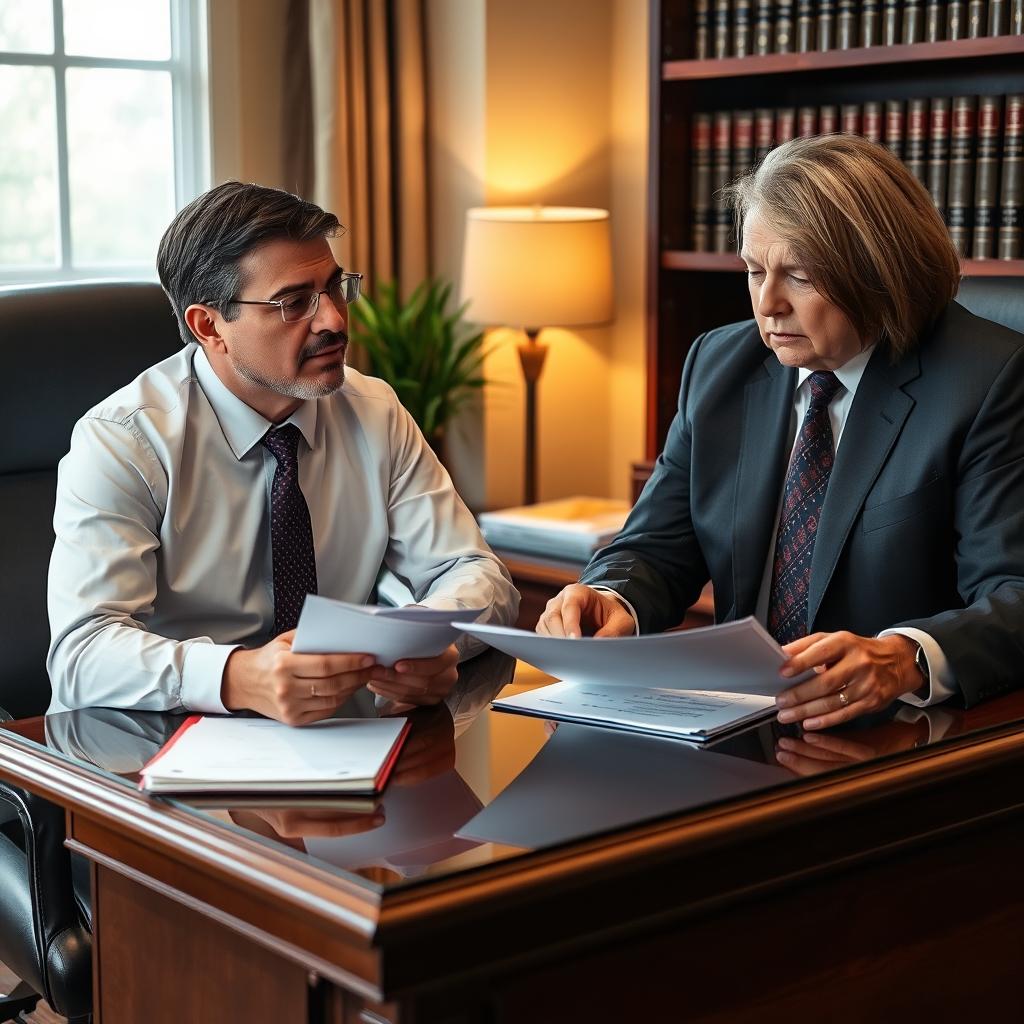
Cruelty Divorce Lawyer Fairfax County, VA
When a marriage in Fairfax County, Virginia, involves cruelty, one spouse may petition for a fault-based divorce under Virginia law. Cruelty, recognized as a ground for divorce in Va. Code § 20-91, includes conduct that endangers a spouse’s life, limb, or health, or creates a reasonable apprehension of bodily injury. In such cases, the outcome can affect property division, spousal support, and even child custody decisions. At Law Offices Of SRIS, P.C., Mr. Sris and his Of Counsel represent spouses who seek to prove cruelty or defend against unfounded cruelty claims in the Fairfax County Circuit Court. The firm’s Fairfax location serves individuals throughout Burke, Centreville, Chantilly, Herndon, Reston, McLean, Vienna, and surrounding communities. To discuss your situation, reach our firm at (888) 437-7747. Law Offices Of SRIS, P.C. – Advocacy Without Borders.
What Is Cruelty as a Ground for Divorce in Fairfax County, Virginia?
Under Va. Code § 20-91, cruelty is one of several fault-based grounds for an absolute divorce from the bond of matrimony. A spouse may file a divorce complaint asserting cruelty when the other spouse’s conduct has caused physical harm or has created a reasonable fear of bodily hurt so severe that continued cohabitation is unsafe. Virginia courts interpret cruelty broadly enough to include repeated mental abuse, threats, and a pattern of behavior that makes living together intolerable, provided the evidence meets the standard of a preponderance of the evidence.
In Fairfax County, cruelty cases proceed in the Circuit Court, which has exclusive jurisdiction over divorces, including determination of fault. The Juvenile and Domestic Relations District Court may handle related custody or support matters if filed separately or pendente lite. Because proving cruelty often requires corroborating testimony, medical records, or police reports, parties benefit from early legal guidance. Mr. Sris and his Of Counsel help clients gather the necessary evidence and present a clear case that satisfies Virginia’s statutory requirements.
Frequently Asked Questions About Cruelty Divorce in Fairfax County
What is cruelty as a ground for divorce in Virginia?
Under Virginia law, cruelty is a fault ground for divorce that occurs when one spouse’s conduct endangers the life, limb, or health of the other spouse or creates a reasonable apprehension of bodily harm. It is set out in Va. Code § 20-91. The behavior does not have to cause a permanent physical injury; even a single severe incident or a pattern of mental cruelty that makes continued cohabitation unsafe can qualify. The court considers the totality of the circumstances, and the spouse alleging cruelty bears the burden of proving it by a preponderance of the evidence.
What must be proven to establish cruelty in a Fairfax County divorce case?
A spouse alleging cruelty must show that the other spouse’s actions created a reasonable fear of bodily harm or caused actual physical injury. Evidence may include photographs of injuries, medical records, police reports, text messages, emails, and testimony from witnesses who observed the conduct. Even if there is no single severe incident, a sustained course of verbal abuse, threats, and intimidation can amount to cruelty if it seriously impacts the spouse’s well‑being. The Fairfax County Circuit Court evaluates the evidence under Va. Code § 20-91.
How does a Fairfax County attorney handle a cruelty divorce case?
An experienced attorney will investigate the allegations, collect supporting evidence, and present a clear narrative of the cruelty. In Fairfax County, the process begins with filing a complaint for divorce in the Circuit Court and may involve discovery, depositions, and motions for pendente lite relief. If the case is contested, the lawyer prepares witnesses, cross‑examines the opposing party, and argues how the proven facts meet Virginia’s statutory definition of cruelty. Settlement discussions often occur in parallel to avoid the expense and stress of a trial.
What should I do if I am considering a cruelty divorce in Fairfax County?
You should seek legal advice promptly and begin documenting incidents of cruel behavior. Keep a detailed journal noting dates, times, and descriptions of what happened. Save any threatening messages, emails, or voicemails. If you are in immediate danger, contact law enforcement and consider seeking a protective order through the Fairfax County Juvenile and Domestic Relations District Court. Avoid confronting your spouse in ways that might escalate the situation. Then contact an experienced Fairfax County divorce lawyer to evaluate your case and explain your options under Virginia law.
Can cruelty affect spousal support and property division in Virginia?
Yes, a finding of cruelty can influence the court’s decisions on spousal support and equitable distribution. Under Va. Code § 20-107.1, the court may consider the circumstances that contributed to the dissolution of the marriage, including fault, when determining spousal support. For property division, Va. Code § 20-107.3 lists 11 factors, one of which is the factors that led to the divorce. A cruelty finding may therefore result in a more favorable support award or a disproportionate distribution of marital assets to the innocent spouse, though equitable distribution is not punitive.
Does cruelty affect child custody in Fairfax County?
Virginia courts determine custody based on the best interests of the child, not as a punishment for misconduct. However, under Va. Code § 20-124.3, the court must consider any history of family abuse or domestic violence. If the cruelty involved harm or a threat of harm to the child, or created an unsafe environment, it can significantly influence custody and visitation orders. The Fairfax County Juvenile and Domestic Relations District Court may enter temporary custody orders while the divorce is pending, with the overarching goal of protecting the child’s welfare.
How long does a cruelty divorce take in Fairfax County?
The timeline for a cruelty divorce varies depending on court scheduling and whether the case is contested or settled. An uncontested no‑fault divorce based on separation typically resolves in a few months, but a fault‑based cruelty case that proceeds to trial can take significantly longer. The need for discovery, depositions, and trial preparation extends the process. If the parties can reach a settlement on all issues, including property and support, the divorce can be finalized sooner. The Fairfax County Circuit Court’s calendar dictates the pace once motions are pending.
Do I need a lawyer for a cruelty divorce in Fairfax County?
You are not legally required to have a lawyer, but a fault‑based cruelty divorce involves evidentiary and procedural complexities that make legal representation advisable. Proving cruelty requires marshaling evidence, presenting witness testimony, and meeting Virginia’s statutory standard. An experienced Fairfax County family law attorney can protect your rights, handle court filings and deadlines, and advocate for your interests in settlement negotiations or at trial. For guidance on your specific situation, reach Law Offices Of SRIS, P.C. at (888) 437-7747.
Can a spouse defend against a cruelty allegation in a Virginia divorce?
Yes, a spouse accused of cruelty may contest the claim by demonstrating that the alleged conduct does not meet the legal definition under Va. Code § 20-91. Defense strategies may include showing that the acts were not severe enough to create a reasonable fear of bodily harm, that they were isolated incidents rather than a pattern, or that the evidence is insufficient or unreliable. In Fairfax County Circuit Court, the spouse opposing the cruelty ground can present their own witnesses and documents to rebut the allegations. A strong defense can prevent the fault finding from impacting support or property division.
How does a Virginia lawyer help someone accused of cruelty in a divorce?
An experienced family law attorney investigates the facts, gathers contrary evidence, and challenges the credibility of the allegations. The lawyer works to show that the behavior does not rise to the level of cruelty required by Virginia law, or that it did not occur as claimed. Where possible, the attorney may negotiate a settlement that avoids a trial on the fault ground entirely, resolving the divorce through a separation agreement instead. To discuss the details of your matter, contact Law Offices Of SRIS, P.C. at (888) 437-7747.
About Mr. Sris and His Of Counsel
Mr. Sris, Owner and Founder of Law Offices Of SRIS, P.C., is a former prosecutor who founded the firm in 1997. He is admitted to practice in Virginia, Maryland, the District of Columbia, New Jersey, and New York. Together with his Of Counsel, Mr. Sris brings extensive combined legal experience to family law matters, including contested fault‑based divorces in Fairfax County. The firm’s Fairfax location concentrates on helping clients navigate the challenges of cruelty divorce cases, from initial filings through trial or settlement. Results may vary.
Attorney advertising. Prior results do not guarantee a similar outcome.
Case results depend on a variety of factors unique to each case.