
Note: This article is confirmed by Law Offices Of SRIS, P.C.
WRITTEN BY: Mr. Sris
Since 1997, Mr. Sris has led the firm, focusing on the most challenging criminal and family law cases. His background in accounting and information management aids in financial and technology-related cases. Involved in significant legislative changes in Virginia. My focus since founding the firm in 1997 has always been directed towards personally handling the most challenging and involved criminal and family law matters our clients face.
Catholic Annulment Lawyer Tysons VA
What is Catholic Annulment
A Catholic annulment, formally called a declaration of nullity, examines whether a marriage met the essential requirements for a sacramental union according to Catholic teaching. This process does not dissolve a valid marriage but rather determines that what appeared to be a marriage never existed as a sacramental bond. The Church examines various factors including consent, understanding of marriage, and capacity to fulfill marital obligations.
The annulment process begins with filing a formal petition with the appropriate diocesan tribunal. This requires gathering documentation such as marriage certificates, baptismal records, and statements from witnesses. The tribunal then examines the evidence to determine if grounds for nullity exist. Common grounds include lack of due discretion, psychological incapacity, or defective consent.
Developing effective legal arguments requires understanding both canonical law and civil implications. While the Church handles the religious aspect, civil matters like property division and child custody may need separate legal attention. Coordinating these parallel processes demands careful planning and strategic thinking.
Professional insight reveals that successful annulment cases often depend on thorough preparation and clear presentation of evidence. Understanding tribunal procedures and expectations can significantly impact the outcome. Each diocese may have slightly different procedures, so familiarity with local practices is important.
How to Obtain Religious Annulment
The first step in obtaining a religious annulment is consulting with your parish priest or diocesan tribunal to understand local procedures. You’ll need to complete a formal petition that outlines the grounds for seeking annulment. This document initiates the canonical process and establishes the framework for your case.
Gathering evidence represents a vital phase of the annulment process. Required documentation typically includes marriage certificates, baptismal records, witness statements, and any relevant psychological evaluations. The tribunal may also request additional information about the marriage relationship, communication patterns, and understanding of marital commitment.
Managing the tribunal proceedings involves responding to requests for information and possibly participating in interviews. The tribunal will appoint an advocate to represent your interests and a defender of the bond who examines the marriage’s validity. Understanding these roles helps in preparing appropriate responses and evidence presentation.
Professional insight emphasizes the importance of addressing civil legal matters concurrently. While the Church handles the religious annulment, civil issues like property division, support obligations, and child custody require separate legal proceedings. Coordinating these processes ensures comprehensive resolution of all marital matters.
Can I Remarry After Annulment
After receiving a declaration of nullity from the Catholic Church, individuals are free to marry again within the Church, provided they meet certain requirements. The annulment decree must be final and not subject to appeal. Additionally, any civil divorce must be completed, and individuals must be in good standing with the Church.
The process for remarriage begins with obtaining the official annulment decree from the tribunal. This document serves as proof that the previous marriage has been declared null. You’ll need to present this decree when preparing for a new marriage, along with completing standard marriage preparation requirements.
Addressing practical considerations involves understanding both religious and civil implications. From a religious perspective, the annulment removes the impediment to sacramental marriage. From a civil perspective, you must ensure all legal obligations from the previous marriage are resolved, including any support payments or property settlements.
Professional insight reveals that timing matters in remarriage considerations. Some dioceses have waiting periods between annulment and remarriage. Additionally, if children were involved in the previous marriage, their well-being and adjustment should be considered. The Church emphasizes responsible preparation for new marital commitments.
Why Hire Marriage Annulment Lawyer Tysons VA
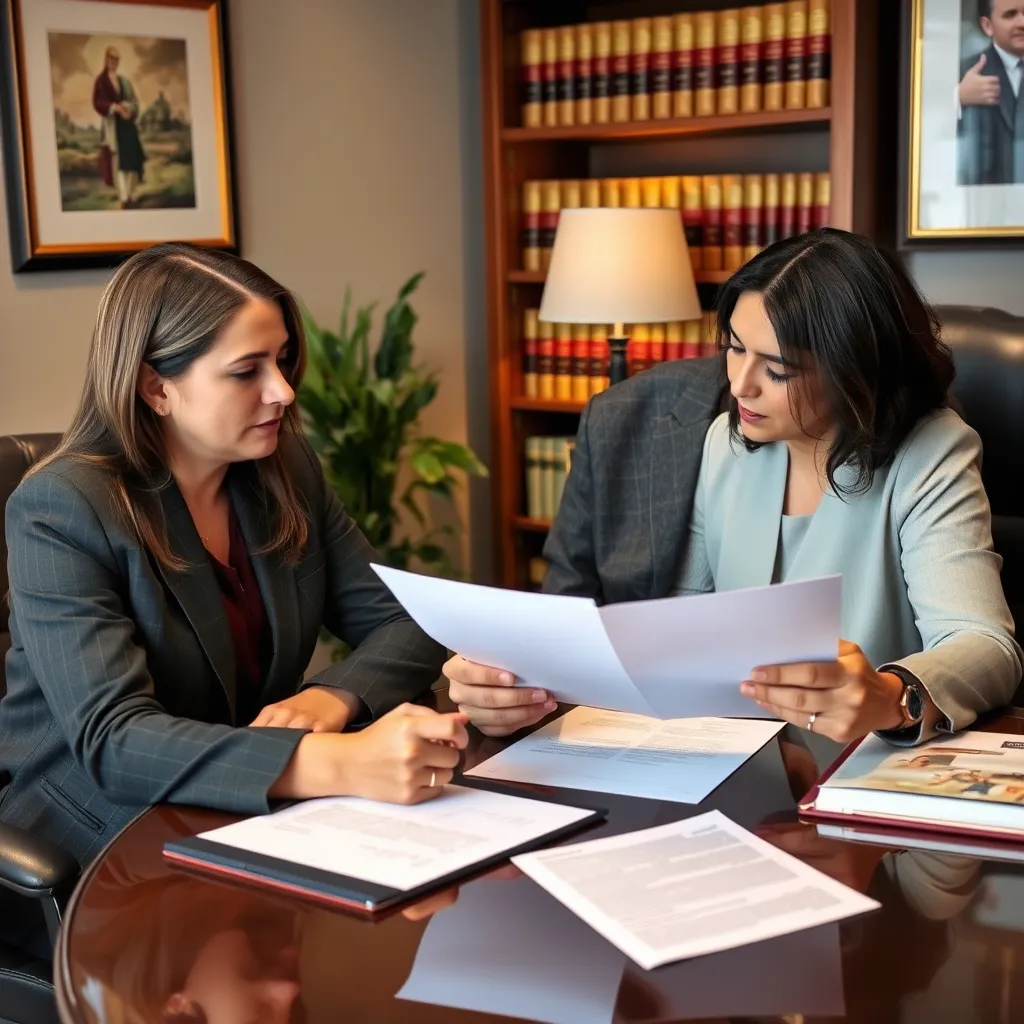
Hiring legal assistance for marriage annulment matters provides several important benefits. Professionals familiar with canonical procedures can help prepare the petition, gather appropriate evidence, and present your case effectively to the tribunal. They understand the specific requirements and expectations of diocesan proceedings.
Managing documentation represents a significant aspect where legal help proves valuable. Annulment cases require extensive paperwork including personal statements, witness affidavits, and official records. Professionals can help organize this material in a way that clearly supports your position while meeting tribunal standards.
Addressing civil legal matters concurrently with the annulment process requires strategic thinking. Property division, support obligations, and child custody issues may need resolution through civil courts. Coordinating these proceedings with the canonical process helps ensure comprehensive resolution of all marital matters.
Professional insight emphasizes the emotional and practical support legal representation provides. The annulment process can be emotionally challenging, and having knowledgeable guidance helps reduce stress. Lawyers can explain procedures, manage expectations, and provide realistic assessments of likely outcomes and timelines.
FAQ:
What is the difference between divorce and annulment?
Divorce ends a valid marriage while annulment determines a marriage was never sacramentally valid. Civil divorce addresses legal termination while annulment examines religious validity.
How long does a Catholic annulment take?
The process typically takes 12-24 months depending on diocese workload and case challenge. Some straightforward cases may resolve faster while contested matters take longer.
What grounds are needed for annulment?
Common grounds include lack of due discretion, psychological incapacity, or defective consent. The tribunal examines whether essential marital requirements were met at the time of marriage.
Do both spouses need to participate?
Both spouses are notified but participation varies. The petitioner initiates the process while the respondent may choose to participate or not be involved.
Can I get an annulment if my spouse objects?
Yes, annulment proceedings can continue even with spousal objection. The tribunal examines evidence regardless of one party’s opposition to the process.
What documentation is required?
Required documents include marriage certificates, baptismal records, witness statements, and personal testimony. Additional evidence may be requested based on case specifics.
How much does annulment cost?
Costs vary by diocese and case challenge. Some dioceses offer fee waivers based on financial circumstances while others have standard processing fees.
Can annulled marriages have children?
Yes, children from annulled marriages remain legitimate in both Church and civil law. Annulment affects marital status but not parental relationships or child legitimacy.
What happens to property after annulment?
Property division occurs through civil legal proceedings separate from the annulment process. The Church annulment doesn’t address civil property matters.
Can I remarry immediately after annulment?
Remarriage timing depends on obtaining the final decree and meeting diocesan requirements. Some dioceses have waiting periods while others allow immediate remarriage preparation.
Do I need a lawyer for annulment?
While not required, legal help can guide canonical procedures and civil matters. Professional assistance helps manage documentation and parallel legal processes effectively.
What if my annulment is denied?
Denied annulments may be appealed to a higher tribunal. New evidence or different grounds might support a subsequent petition in some circumstances.
Past results do not predict future outcomes