
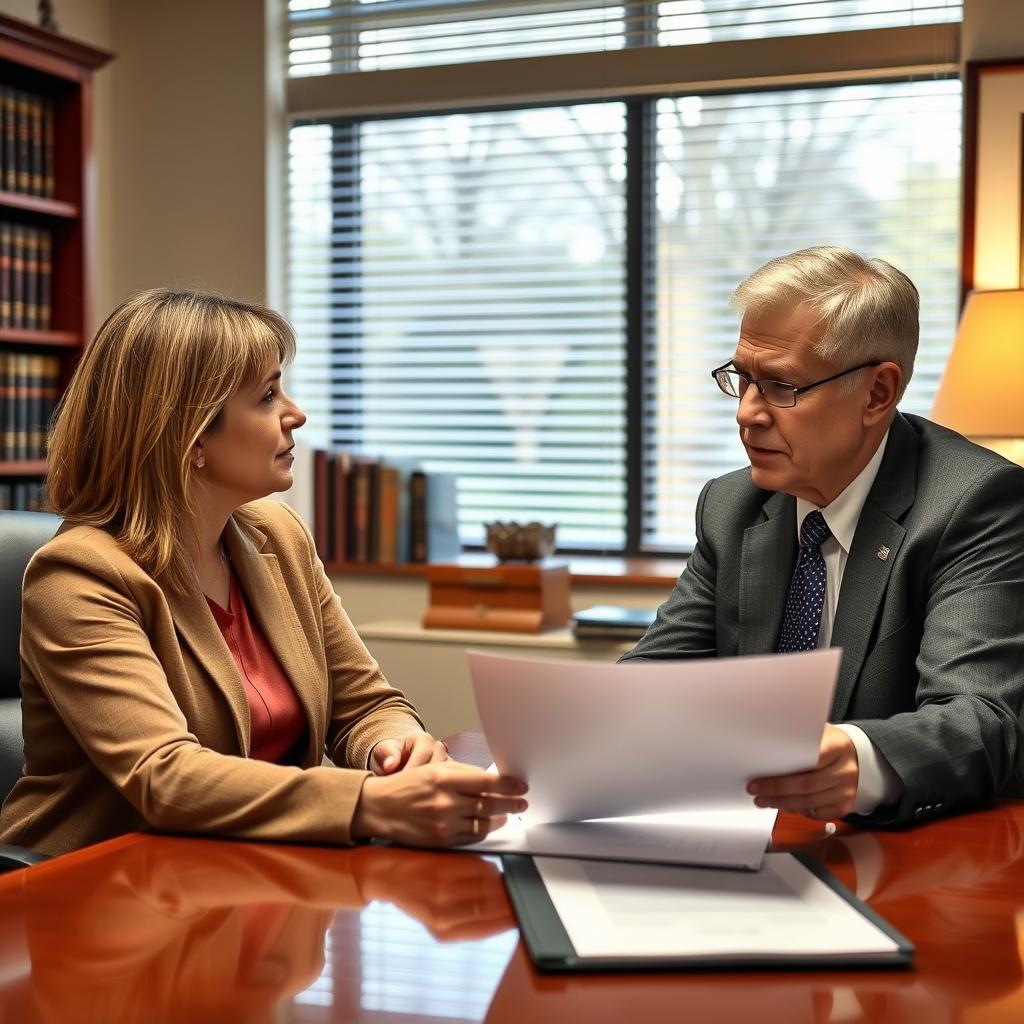
Rehabilitative Alimony Lawyer Loudoun County, VA
When a divorce or separation leaves one spouse in need of financial support for a defined period of transition, Virginia law provides a remedy known as rehabilitative alimony. In Loudoun County, these determinations are made by the Loudoun County Circuit Court, which applies the factors set out in Virginia Code § 20‑107.1. Mr. Sris and the firm’s Of Counsel attorneys represent clients in spousal support matters throughout Ashburn, Leesburg, Sterling, Purcellville, South Riding, Brambleton, Aldie, Hamilton, Lovettsville, Middleburg, Round Hill, and the surrounding Northern Virginia communities. For a consultation about rehabilitative alimony in Loudoun County, call Law Offices Of SRIS, P.C. at (888) 437‑7747. Law Offices Of SRIS, P.C. – Advocacy Without Borders.
What Rehabilitative Alimony Means in Loudoun County, Virginia
Rehabilitative alimony is a form of spousal support designed to give a financially dependent spouse the resources and time necessary to acquire education, training, or work experience so that they can become self‑supporting. Unlike permanent support, which may continue indefinitely, rehabilitative alimony has a defined purpose and an anticipated endpoint. The concept is rooted in the public policy of encouraging economic independence after divorce.
In Virginia, all alimony determinations are governed by Va. Code § 20‑107.1. The statute directs the court to consider a series of factors including the earning capacities and financial needs of each party, the standard of living established during the marriage, the duration of the marriage, the contributions each spouse made to the family’s well‑being, and the ability of the payor spouse to provide support while meeting their own obligations. When a court finds that ongoing support is warranted, it may structure an award as rehabilitative—with a specific goal and a limited duration—or as a combination of rehabilitative and longer‑term support.
Loudoun County family law matters are heard in the Twentieth Judicial District. All divorce, equitable distribution, and spousal support cases fall under the jurisdiction of the Loudoun County Circuit Court. The court will make a rehabilitative alimony determination based on the evidence presented, and it has substantial discretion to tailor the amount and duration of support to the facts of each case. Because the outcome depends on how effectively the statutory factors are developed and argued, representation that understands both the law and the local court’s practices can be instrumental in protecting a client’s financial position.
How Mr. Sris and the Firm’s Of Counsel Attorneys Handle Rehabilitative Alimony Cases
Mr. Sris and the firm’s Of Counsel attorneys approach rehabilitative alimony matters by first conducting a thorough analysis of the financial situation of both spouses. This includes examining income, earning capacity, reasonable living expenses, the marital standard of living, and any barriers to employment—such as a long absence from the workforce or the need to complete education or job training. The goal is to build a record that accurately reflects the payee spouse’s needs and the payor’s ability to pay, while respecting the rehabilitative purpose of the award.
The firm prepares detailed financial statements and works with forensic accountants or vocational attorneys when necessary to project the realistic timeframe and expense of the dependent spouse’s plan to become self‑supporting. By presenting a coherent, evidence‑based plan, Mr. Sris and the firm’s Of Counsel attorneys help the court craft a rehabilitative support order that is both appropriate and enforceable. At the same time, the firm advocates for payor spouses to ensure that any award is reasonable, grounded in the actual financial circumstances, and not a back‑door permanent obligation. Throughout the process, the firm works to resolve matters through negotiation or mediation when possible, but is prepared to litigate contested issues in the Loudoun County Circuit Court.
About Mr. Sris and the Firm’s Of Counsel Attorneys
Mr. Sris, Owner and Founder of Law Offices Of SRIS, P.C., has practiced law since 1997 and is admitted in Virginia, Maryland, the District of Columbia, New Jersey, and New York. A former prosecutor, Mr. Sris applies his courtroom experience to family law matters, including rehabilitative alimony cases. He testified before the Virginia House Courts of Justice Committee in support of 2019 HB 635 (chief patron Del. David Bulova).
The firm’s Of Counsel attorneys bring extensive combined legal experience. Together, the team works with clients to present a clear picture of the financial realities that drive a rehabilitative support determination. Clients receive advice grounded in a thorough understanding of Virginia’s spousal support statute and the practical considerations that come into play in Loudoun County. Reach the firm’s Ashburn location at (888) 437‑7747.
Frequently Asked Questions
What is rehabilitative alimony in Virginia?
Rehabilitative alimony is a type of spousal support ordered for a limited time to help a dependent spouse acquire the education or training needed to become self‑supporting. It is grounded in Virginia Code § 20‑107.1, which lists factors the court considers when setting the amount and duration of support. The goal is economic independence, so the court will typically expect the recipient to present a concrete plan for rehabilitation. The support ends when the court‑fixed period expires or when the recipient has had a reasonable opportunity to achieve the intended goal.
How does a Virginia court decide whether to award rehabilitative alimony?
A Virginia court decides rehabilitative alimony by weighing the factors in Va. Code § 20‑107.1, including the dependent spouse’s need for support and ability to become self‑sufficient. The court considers the standard of living during the marriage, the duration of the marriage, the age and physical condition of each spouse, and the contributions made by each party—both monetary and non‑monetary. If the evidence shows that a spouse can become self‑supporting with additional training or education, the court may order rehabilitative support rather than indefinite support. The court has broad discretion to structure the award.
How long can rehabilitative alimony last in Loudoun County?
Rehabilitative alimony continues for the period of time the court determines is reasonably necessary for the recipient spouse to complete the education, training, or work experience needed for self‑sufficiency. There is no fixed statutory maximum; the duration is fact‑specific. The payor’s obligation typically ends when the court‑ordered term expires, or earlier if the recipient becomes self‑supporting or remarries. A well‑supported plan presented to the Loudoun County Circuit Court can help establish a realistic timeline for rehabilitation.
Can a rehabilitative alimony award be modified?
Yes, a Virginia court may modify a rehabilitative alimony award upon a showing of a material change in circumstances, unless the order or separation agreement expressly prohibits modification. A change in income, employment, health, or other factors affecting the ability to pay or the need for continued support may justify a modification. The party seeking the change bears the burden of proof. Mr. Sris and the firm’s Of Counsel attorneys represent clients in modification proceedings throughout Loudoun County.
What is the difference between rehabilitative alimony and permanent support?
Rehabilitative alimony is temporary and awarded for a specific purpose—to allow a spouse to gain independence—while permanent support continues indefinitely and is usually reserved for cases where a spouse cannot reasonably become self‑supporting due to age, disability, or other long‑term factors. A court may also structure a hybrid award: rehabilitative support for a set timeframe, followed by a review to determine if ongoing support is still needed. The same statutory factors under Va. Code § 20‑107.1 guide both types.
Do I need a lawyer for a rehabilitative alimony case in Loudoun County?
While you are not legally required to hire a lawyer, an experienced family law attorney can help you present a clear picture of your financial situation and develop the evidentiary record needed for a fair support determination. Rehabilitative alimony involves detailed financial analysis, and the outcome often depends on how effectively the evidence is presented to the court. Mr. Sris and the firm’s Of Counsel attorneys work with clients to build a strategy that aligns with the rehabilitative goal of the statute.
What happens if the payor spouse does not pay rehabilitative alimony?
If a payor fails to comply with a court‑ordered rehabilitative alimony obligation, the recipient may seek enforcement through the Loudoun County Circuit Court. Enforcement tools can include a show‑cause hearing, wage garnishment, a judgment for arrears, and, in some circumstances, a finding of contempt. Prompt action is important to preserve rights and prevent arrears from accumulating. The firm represents both payees seeking enforcement and payors who have a legitimate inability to pay.
How do Loudoun County courts approach rehabilitative alimony for a stay‑at‑home parent?
For a spouse who left the workforce to care for children, the court focuses on the realistic timeline and resources needed to re‑enter employment at a level approaching the marital standard of living. The analysis under Va. Code § 20‑107.1 includes the length of absence from the labor market, the current job market, and the cost of any required re‑training. A vocational evaluation is often used to develop a rehabilitation plan. The court then sets a support duration tailored to that plan.
Is rehabilitative alimony taxable in Virginia?
Under current federal law, alimony payments are not deductible by the payor and not included in the recipient’s income, for divorce instruments executed after December 31, 2018. Virginia follows the federal treatment. This change from earlier law can affect settlement negotiations, and Mr. Sris and the firm’s Of Counsel attorneys consider the tax impact when structuring support agreements to maximize the benefit for both parties. For instruments signed before 2019, the old tax rules may still apply unless modified.
Can rehabilitative alimony be awarded in a fault‑based divorce in Virginia?
Yes, Virginia courts may order rehabilitative alimony in both fault‑based and no‑fault divorces, but a spouse’s fault—such as adultery or cruelty—can influence the amount and duration of support. Under Va. Code § 20‑107.1, the court considers the circumstances and factors that contributed to the dissolution of the marriage. A finding of fault does not automatically bar or guarantee support, but it is one of the statutory factors the judge weighs when determining a fair award.
What should I bring to a consultation about rehabilitative alimony?
Bring recent pay stubs, tax returns from the past two years, a list of monthly living expenses, information about any retirement accounts and other assets, and any existing separation or prenuptial agreements. If you have a proposed rehabilitation plan—such as enrollment in a degree program or vocational training—bring documentation about the cost and duration. This information helps the attorney evaluate your potential claim and provide informed guidance. To schedule a consultation with Mr. Sris and the firm’s Of Counsel attorneys, call (888) 437‑7747.
Fairfax County family law representation | Prince William County family law lawyer | Stafford County family law attorney | Fauquier County family law services | Arlington County family law practice
For statutory provisions, see Virginia Code § 20‑107.1 and the Loudoun County Circuit Court.
Attorney advertising. Prior results do not guarantee a similar outcome. Results may vary. Engaging Law Offices Of SRIS, P.C. Requires a signed engagement agreement. The firm’s Ashburn location is at 20130 Lakeview Center Plaza, Room 403, Ashburn, VA 20147; meetings by appointment only. Call (888) 437‑7747 to schedule.
Case results depend on a variety of factors unique to each case.