
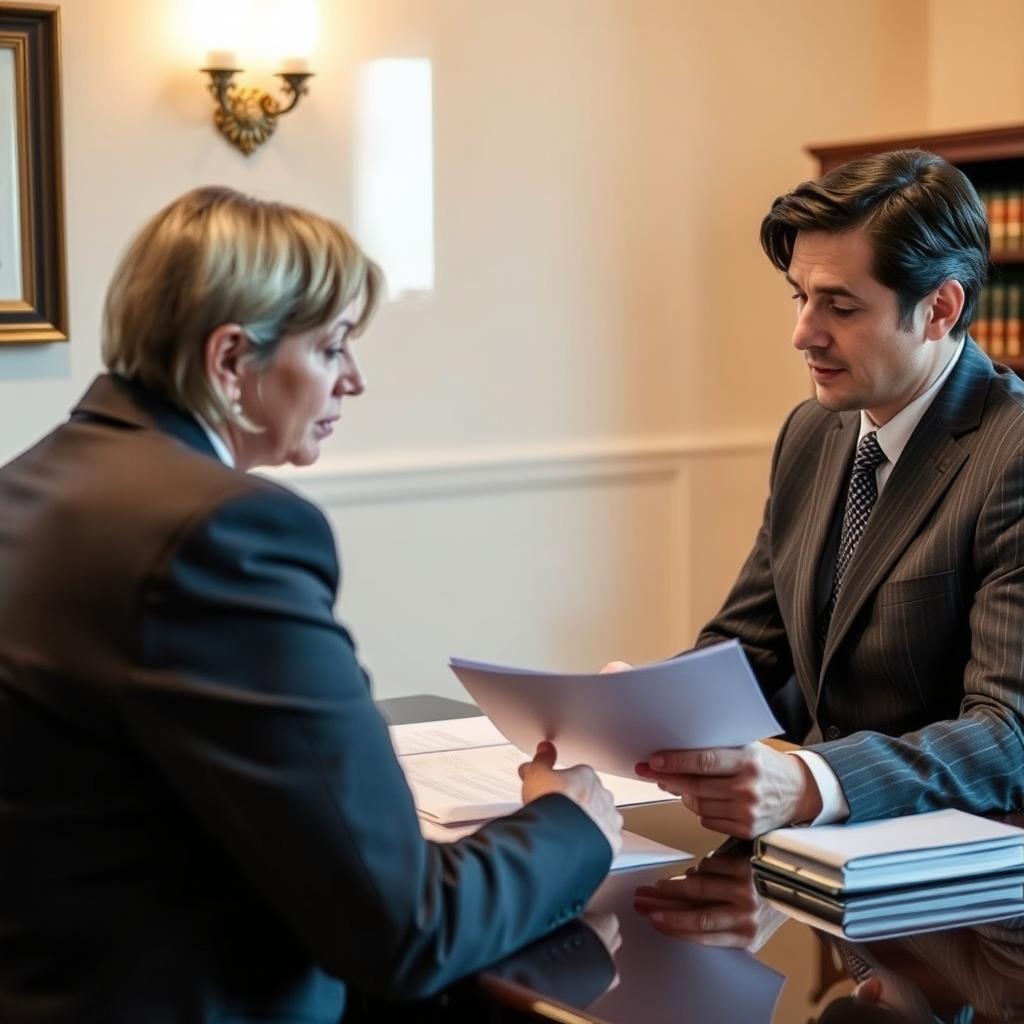
Rehabilitative Alimony Lawyer Arlington County, VA
You are going through a divorce in Arlington County, and your spouse is asking the court to order you to pay rehabilitative alimony. You are concerned about how long the payments will last and whether you can challenge the request. You need an attorney who understands Virginia’s spousal support laws and knows how to present a strong case before the Arlington County Circuit Court. Law Offices Of SRIS, P.C. — with an Arlington location — represents clients in rehabilitative alimony matters. Reach us at (888) 437-7747 to request a consultation. Law Offices Of SRIS, P.C. – Advocacy Without Borders.
Strategy Options for Rehabilitative Alimony
When a spouse seeks rehabilitative alimony, several strategic approaches may affect the outcome. An experienced attorney can assess the recipient’s actual capacity for self‑support and challenge any inflated claim of need. For the paying spouse, it may be possible to demonstrate that the recipient has marketable skills, recent work history, or educational opportunities that would allow them to become financially independent within a reasonable period. In some cases, offering a lump‑sum settlement or a shorter‑duration support award structured around a concrete rehabilitation plan can resolve the dispute without a contested hearing. Law Offices Of SRIS, P.C. works to tailor a strategy that fits the specific financial circumstances and long‑term goals of each client.
For the spouse who is seeking rehabilitative alimony, presenting a clear, realistic rehabilitation plan — such as enrollment in a degree or certification program, along with a budget — helps the court understand the necessity and appropriate duration of support. The firm assists clients in gathering vocational evaluations, employment‑market data, and other evidence that supports a well‑founded request. Whether you are the potential payor or the recipient, having counsel who can frame the issues persuasively is essential in Arlington County family court.
What to Expect in Arlington County Court
Rehabilitative alimony cases are typically part of a divorce proceeding and are heard in the Arlington County Circuit Court, which has exclusive jurisdiction over divorce and equitable distribution. The Arlington County Juvenile & Domestic Relations District Court may handle separate support issues when a divorce has not been filed, but spousal support arising from a divorce is litigated in Circuit Court. The process generally begins when one party files a Complaint for divorce that includes a request for spousal support. If interim support is needed while the case is pending, a party may file a petition for pendente lite relief, and the court will schedule a hearing based on its calendar.
Throughout the case, both sides engage in discovery — exchanging financial records, pay stubs, tax returns, and documentation of expenses. Settlement negotiations, often with the help of mediation, can resolve the alimony issue without a trial. If the matter goes to a final hearing, the judge will consider the statutory factors under Virginia law and decide whether rehabilitative alimony is appropriate, for what duration, and in what amount. For a full statutory breakdown, see our comprehensive analysis. Having a lawyer who knows the expectations of the Arlington County bench can make a meaningful difference in how the evidence is received.
Understanding Rehabilitative Alimony Under Virginia Law
Rehabilitative alimony is a form of spousal support designed to help a dependent spouse become self‑supporting within a defined period. Unlike permanent support, it is tied to a specific plan — for example, completing a degree, obtaining a professional license, or re‑entering the workforce after a long absence. The court must find that the recipient has a need for support and that the other spouse has the ability to pay. The goal is to give the recipient a bridge to financial independence, not a permanent source of income.
Under Va. Code § 20‑107.1, the court considers multiple factors when deciding rehabilitative alimony, including the duration of the marriage, the standard of living established during the marriage, the age and physical and mental condition of each party, the earning capacity and educational background of each spouse, contributions to the family, and the time needed for the recipient to acquire appropriate education or training. The court also weighs the extent to which the spouse seeking support contributed to the other spouse’s career advancement. A well‑prepared case addresses each factor with documentation and, where appropriate, expert testimony from vocational attorney. Because the outcome is fact‑sensitive, presenting a complete financial picture is essential.
About Mr. Sris and the Firm’s Of Counsel Attorneys
Mr. Sris, Owner and Founder of Law Offices Of SRIS, P.C., is a former prosecutor who has practiced law since 1997. He is admitted in Virginia, Maryland, the District of Columbia, New Jersey, and New York. Mr. Sris testified before the Virginia House Courts of Justice Committee in support of 2019 HB 635 (chief patron Del. David Bulova). His background in the courtroom and his understanding of Virginia’s spousal support statutes inform the firm’s approach to rehabilitative alimony cases. The firm’s Of Counsel attorneys bring additional courtroom experience and knowledge of family law matters. Together, Mr. Sris and the firm’s Of Counsel attorneys have extensive combined legal experience across multiple practice areas.
The firm has documented outcomes in family law and other matters. Results may vary. Clients benefit from representation that is grounded in years of practice before Virginia’s courts, including the Arlington County Circuit Court.
Frequently Asked Questions
What is rehabilitative alimony in Virginia?
Rehabilitative alimony is temporary spousal support designed to help a dependent spouse gain the education, training, or work experience needed to become self‑supporting by a specific date. Unlike permanent support, it requires the court to find that the recipient has a realistic plan for achieving financial independence. The court sets the duration and amount after examining the parties’ finances, the length of the marriage, and the time reasonably necessary for the recipient to complete a rehabilitation program. If the recipient fails to make adequate progress, the paying spouse may seek a modification or termination. For a detailed discussion of your situation, reach Law Offices Of SRIS, P.C. at (888) 437-7747.
How does the court decide whether to award rehabilitative alimony in Arlington County?
The judge applies the thirteen statutory factors listed in Va. Code § 20‑107.1, including each spouse’s earning capacity, age, health, the standard of living during the marriage, and contributions to the family. At the Arlington County Circuit Court, the judge will also consider whether the spouse seeking support has a concrete rehabilitation plan, such as enrollment in a training program, and how long it will take to complete. Both parties must submit detailed financial affidavits. Evidence from vocational attorneys or employment‑market analysis can strengthen or challenge the request. An attorney who regularly appears in Arlington County understands how local judges weigh these factors.
How long does rehabilitative alimony last?
The duration is tied to the time the court finds reasonably necessary for the recipient to complete a specific rehabilitation plan, which might range from a few months to several years depending on the program. The court typically sets a definite end date or a review hearing. If the recipient finishes the program early or secures suitable employment before the deadline, the paying spouse can petition to terminate or reduce support. Conversely, if unforeseen circumstances delay the recipient’s progress, the court may extend the term after a hearing. To discuss how long your support obligation could last, contact Law Offices Of SRIS, P.C. at (888) 437-7747.
Can rehabilitative alimony be modified or terminated?
Yes, a party can request a modification or termination of rehabilitative alimony if there has been a material change in circumstances, such as the recipient’s completion of a degree or a significant increase in their income. For example, if the recipient secures full‑time employment in their field before the rehabilitation period ends, the paying spouse may file a petition to terminate payments. The court may also modify support if the recipient’s financial need decreases or if the paying spouse’s ability to pay changes. A petition for modification must be filed with the Arlington County Circuit Court and supported by current financial documentation.
What can I do if my ex‑spouse stops paying rehabilitative alimony?
If court‑ordered rehabilitative alimony is not being paid, you may file a petition for contempt or enforcement with the Arlington County Circuit Court. The court can order the non‑paying spouse to bring payments current, and may impose additional sanctions if the failure to pay is willful. In some situations, the court can award attorney fees to the party enforcing the order. Collecting the arrearage may involve wage garnishment or liens. Because the enforcement process depends on the specific terms of the original support order, you should consult a family law attorney to determine the most effective course of action.
Do I need a lawyer for a rehabilitative alimony dispute in Arlington County?
While you are not required to hire a lawyer, having experienced legal counsel can significantly affect the outcome of a rehabilitative alimony case, especially when the opposing party is represented. The statutory factors are fact‑intensive, and presenting a persuasive case requires gathering financial evidence, possibly retaining vocational attorneys, and understanding local court procedures. An attorney can also negotiate a settlement that avoids the uncertainty of a trial. For a consultation about your rehabilitative alimony matter, reach Mr. Sris and the firm’s Of Counsel attorneys at (888) 437-7747.
For guidance on your specific situation, reach Law Offices Of SRIS, P.C. at (888) 437-7747.
Request a Consultation
To discuss rehabilitative alimony or any other family law matter in Arlington County, call (888) 437‑7747 to schedule a consultation. The firm’s Arlington location is at 1655 Fort Myer Dr, Suite 700, Room 719, Arlington, VA 22209. By appointment only.
Attorney advertising. Prior results do not guarantee a similar outcome. Results may vary.
Case results depend on a variety of factors unique to each case.