
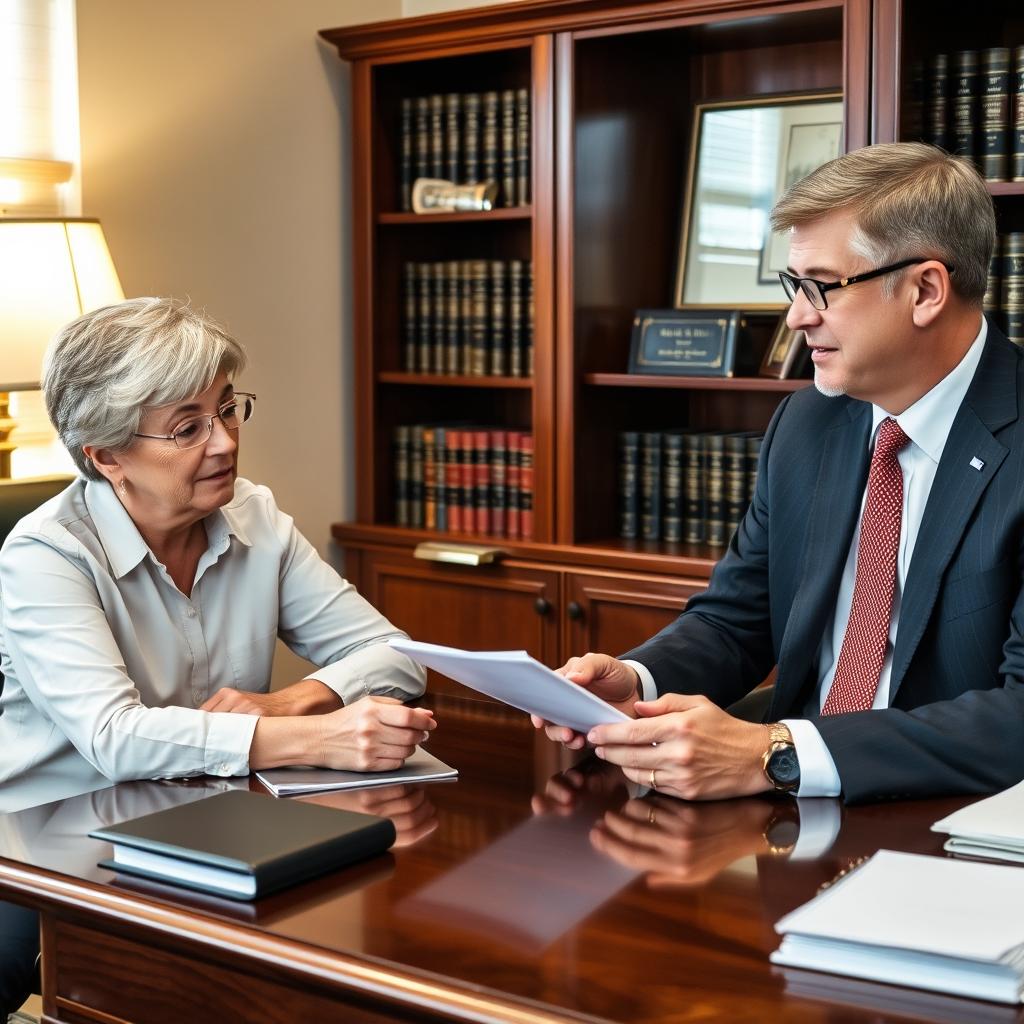
Landlord Tenant Lawyer in Rappahannock County, VA
A landlord tenant lawyer in Rappahannock County handles disputes over leases, evictions, security deposits, and habitability under Virginia law. The Law Offices Of SRIS, P.C. provides full representation for tenants and landlords at the Rappahannock County General District Court. Our firm, founded in 1997, has over 120 years of combined attorney experience. We offer 24/7 phone consultations.
Last verified: April 2026 | Rappahannock County General District Court | Virginia General Assembly
Landlord-tenant law in Virginia is primarily governed by the Virginia Residential Landlord and Tenant Act (VRLTA), found in Va. Code § 55.1-1200 et seq. This statute outlines the rights and responsibilities of both parties in residential leases. For commercial leases or residential situations not covered by the VRLTA, common law and other statutes apply. Understanding whether your situation falls under the VRLTA is a critical first step, as it dictates the required legal procedures, especially for evictions.
Key issues handled by a landlord tenant lawyer Rappahannock County include unlawful evictions (lockouts), failure to return security deposits, breach of the warranty of habitability (e.g., no heat or water), and lease violations. For landlords, legal counsel is essential to ensure proper notice is given and eviction procedures are followed exactly as required by law to avoid costly delays or dismissal of the case.
- Serve Proper Notice: The landlord must provide the tenant with a correct written notice (e.g., 5-Day Pay or Quit, 30-Day Notice to Vacate) as required by Virginia law.
- File an Unlawful Detainer: If the tenant does not comply with the notice, the landlord files a Summons for Unlawful Detainer with the General District Court clerk.
- Attend the Initial Hearing: Both parties appear before a judge. Tenants can present defenses; landlords must prove their case.
- Obtain a Writ of Possession: If the judge rules for the landlord, a writ is issued. Only a sheriff can legally remove the tenant.
In Rappahannock County, landlord-tenant disputes can lead to eviction, monetary judgments for unpaid rent or damages, and in some cases, claims for illegal lockouts or retaliation.
| Issue | Common Legal Action | Potential Outcome for Tenant | Potential Outcome for Landlord |
|---|---|---|---|
| Nonpayment of Rent | Unlawful Detainer (Eviction) | Eviction; Judgment for back rent & court costs | Recovery of possession and owed rent |
| Lease Violation | 30-Day Notice to Vacate / Eviction | Eviction if violation not cured | Recovery of possession |
| Security Deposit Dispute | Civil Suit for Wrongful Withholding | Recovery of deposit + up to 2x damages + attorney fees | Must justify deductions with itemized list |
| Habitability (No Heat/Water) | Repair & Deduct; Constructive Eviction Defense | Rent reduction; Lease termination without penalty | Required to make repairs; potential penalties |
| Illegal Lockout / Self-Help Eviction | Civil Suit for Illegal Eviction | Damages, possession restored, attorney fees | Significant financial penalties |
Results may vary. Prior results do not guarantee a similar outcome.
The Law Offices Of SRIS, P.C. brings substantial authority to landlord-tenant matters. Founded in 1997 by former prosecutor Mr. Sris, the firm combines over 120 years of legal experience. Our attorneys are familiar with the local procedures at the Rappahannock County General District Court. We understand that housing issues are urgent and work to resolve disputes efficiently, whether through negotiation or assertive litigation.
Samantha Rae Powers, Associate Attorney at Law Offices Of SRIS, P.C. — Licensed in VA, FL. Experienced family law and civil litigator. View Samantha Rae Powers’s Profile
Our firm has documented case results across Virginia. In landlord-tenant and other civil disputes, our focus is on protecting our clients’ rights and property. For tenants, this may mean fighting an wrongful eviction or demanding necessary repairs. For landlords, it involves ensuring strict compliance with Virginia’s detailed eviction process to regain possession of property lawfully. Mr. Sris leads our approach to these cases, ensuring experienced oversight.
Law Offices Of SRIS, P.C. — Fairfax
4008 Williamsburg Ct, Fairfax, VA 22032, United States
Toll-Free: (888) 437-7747 | Local: (703) 636-5417
Phones 24/7/365; Office by appointment only.
Our Fairfax location serves clients with matters at the Rappahannock County courts in Washington, VA. We are accessible via major routes like Route 211. As a landlord tenant lawyer Rappahannock County resource, we serve the communities of Washington, Sperryville, and Flint Hill. We offer 24/7 phone consultations at (888) 437-7747, with in-person meetings by appointment only.
Landlord Tenant Lawyer Rappahannock County FAQ
What is the eviction process in Rappahannock County, Virginia?
It depends on the reason for eviction. For nonpayment of rent, a landlord must first serve a written 5-Day Pay or Quit notice. If the tenant doesn’t pay, the landlord can then file an Unlawful Detainer lawsuit in the Rappahannock County General District Court. A hearing is scheduled, and if the judge rules for the landlord, a sheriff executes the eviction.
Can a landlord shut off utilities to force a tenant out in Virginia?
No. This is an illegal “self-help” eviction under Va. Code § 55.1-1248. A landlord cannot terminate utilities, change locks, or remove a tenant’s belongings without a court order. Tenants subjected to this can sue for damages, including potential triple damages and attorney’s fees.
How long does a landlord have to return a security deposit in Virginia?
45 days. Under Va. Code § 55.1-1226, a landlord must return the deposit, with an itemized list of deductions, within 45 days of the lease termination. If the landlord fails to do this, the tenant may recover the full deposit plus up to two times the amount wrongfully withheld, plus reasonable attorney fees.
What can I do if my rental unit in Rappahannock County is uninhabitable?
You should provide written notice to your landlord detailing the issues (e.g., no heat, broken plumbing). If repairs aren’t made in a reasonable time, Virginia law provides remedies like “repair and deduct” or filing a tenant’s assertion in court to escrow rent. In severe cases, it may constitute constructive eviction, allowing you to break the lease.
Do I need an eviction defense lawyer in Rappahannock County?
Yes. An eviction defense lawyer Rappahannock County can identify procedural errors in the landlord’s case, assert defenses like retaliation or warranty of habitability, and negotiate settlements. Even a few days’ delay can be critical for finding new housing. Legal representation significantly improves your chance of a favorable outcome.
What are common tenant rights disputes in Virginia?
Common tenant rights dispute lawyer Rappahannock County cases involve security deposit withholding without proper justification, failure to maintain habitable conditions (Va. Code § 55.1-1220), illegal lockouts, and landlord retaliation for reporting code violations. Each dispute has specific legal remedies and short deadlines, making prompt legal advice essential.
For more information on Virginia landlord-tenant law, visit the official Virginia Code or the Rappahannock County Courts website. If you are facing a landlord-tenant issue, contact the Law Offices Of SRIS, P.C. for a consultation. We also handle related matters like business law and contract disputes. For a broader view of our services, see our Virginia Civil Litigation hub page.
Last verified: April 2026. Laws change. Contact Law Offices Of SRIS, P.C. at (888) 437-7747 for current guidance.